
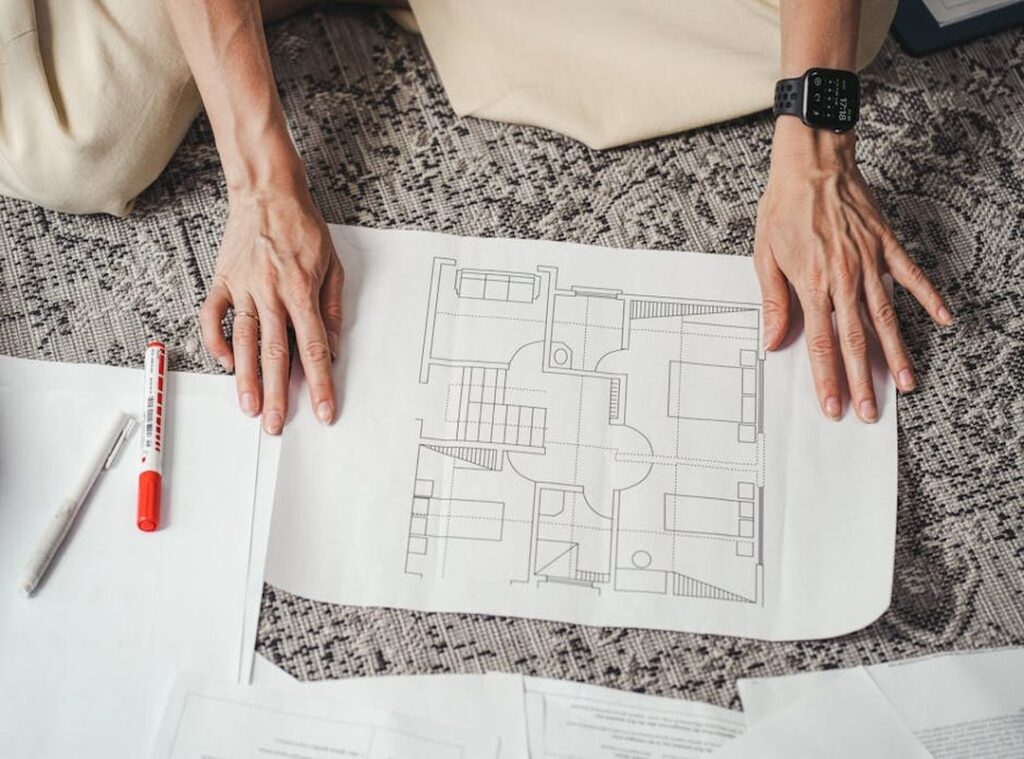
I hate how hard it is to find a home plan that actually feels like yours. Not just pretty on paper. Not just cheap to build.
But something you can live in without constant compromise.
You’re here because you want How to Find Home Plans Drhinteriorly. Not a vague list of tips, not some glossy sales pitch. You want real steps.
From where to click, to what to ignore, to how to tell if a plan will work for your actual life (not some idealized version).
I’ve helped people pick plans for ten years. I’ve seen the same mistakes over and over. Like falling for a fancy facade and then realizing there’s no space for your coffee maker.
Or picking a plan that looks great online but doesn’t fit your lot (or) your budget (or) your sanity.
So let’s cut the noise. This isn’t about inspiration boards or dream homes you’ll never build. It’s about finding a DRH Interior plan that fits your body, your schedule, your wallet.
You’ll learn where to look first. What questions to ask before you even open a floor plan PDF. And how to narrow down fifty options to one that makes you pause and say yes.
By the end, you won’t just know where to click (you’ll) know what to trust.
DRH Interior Isn’t a Design Studio
How to Find Home Plans Drhinteriorly starts with clearing up the confusion. DRH Interior isn’t some boutique architecture firm. It’s almost certainly tied to D.R.
Horton. The biggest home builder in the U.S.
I’ve walked through their model homes in Texas and Florida.
They build fast, they build big, and they stick to what sells.
You’ll see traditional front porches next to modern farmhouse siding next to low-slung ranches. No surprise. These aren’t avant-garde experiments.
They’re tested. They move off the lot.
Most plans are single-family. Some communities offer townhomes. Almost none are luxury custom builds.
You want granite? Yes. You want a hidden wine cellar?
No.
Their plans come with standard features baked in (like) energy-fast windows or smart-home wiring (not) as costly upgrades. That saves time. It also means fewer change orders (and fewer headaches).
But here’s the catch: those plans are built for specific neighborhoods.
So if you love a 2,800-square-foot plan in Phoenix, it might not be approved (or) even available (in) Nashville.
Zoning rules, utility hookups, soil reports (they) all shape what gets built where.
You can’t just grab a plan and plop it down anywhere.
Want to see what’s actually offered right now? Check out Drhinteriorly (they) list active communities and floor plans by region. Not every plan is online.
Not every plan is open for customization.
Ask yourself: Do you need flexibility. Or speed and predictability?
Where DRH Interior Plans Actually Live
I go straight to the D.R. Horton website. Not third-party sites.
Not random plan aggregators. Their site holds the real plans. Updated, accurate, and tied to what’s actually building.
You’ll find them under Find Your Home, Floor Plans, or Communities. Click one. Then click another.
Don’t overthink it.
Use filters. Location first. Then home type.
Single-family or townhome. Then bedrooms, bathrooms, square footage. Skip this and you’ll drown in irrelevant options.
Plans live inside specific communities. A 4-bedroom plan in Austin won’t show up in Phoenix. So drill down into a community page.
That’s where the real list lives.
Look for Virtual Tours or Photo Galleries. They’re not just eye candy. They show you how the plan works in reality.
Ceiling heights, kitchen flow, closet depth. (Spoiler: some photos hide tiny powder rooms.)
I’ve wasted time on outdated PDFs from sketchy sites. Don’t do that. The official site changes weekly.
If your search feels stale, refresh the page.
How to Find Home Plans Drhinteriorly? Start at drhorton.com. Not Google.
Not Pinterest. Not a broker’s cached screenshot.
You want current plans. You want pricing. You want availability.
All three live only on their site.
If a plan isn’t listed there. It’s not ready. It’s not available.
It’s not happening.
That’s it. No tricks. No workarounds.
Just click, filter, scroll.
Still stuck? Try typing “D.R. Horton [city name] floor plans” into Google.
It usually drops you right into the community page.
What Actually Matters in a Home Plan
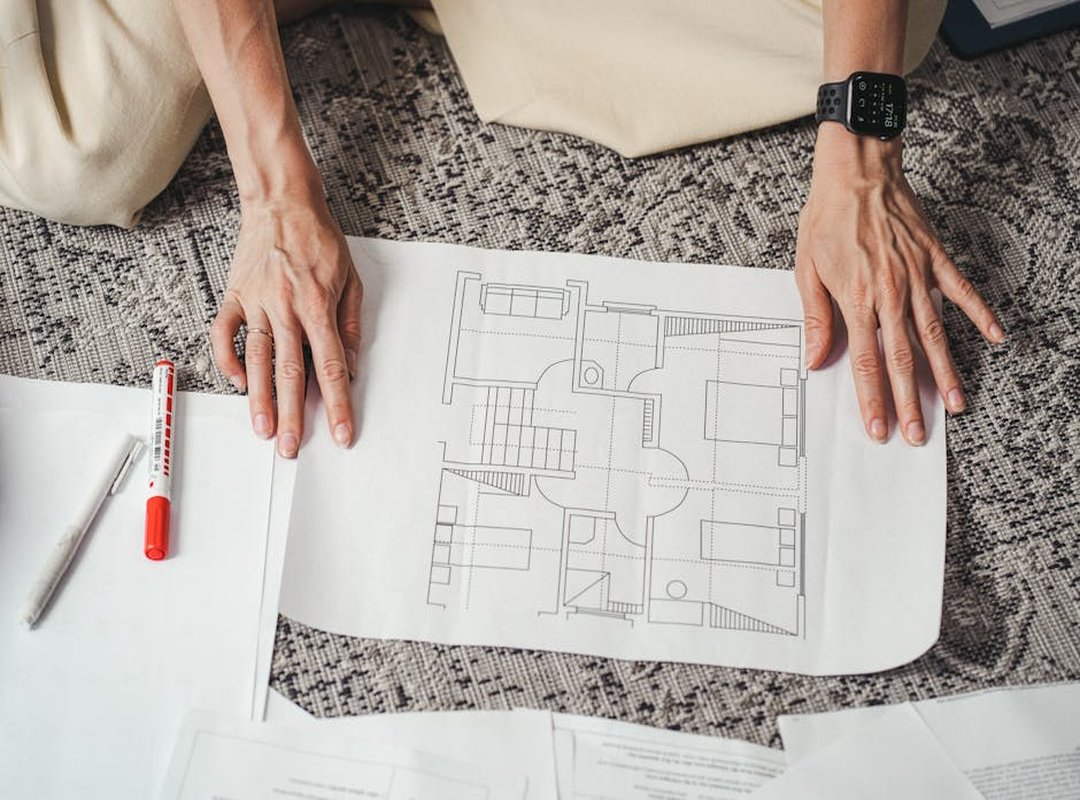
I look at home plans like grocery lists.
You only need what you’ll use.
How many bedrooms do you really need? Not what you hope for. Not what your cousin’s house has.
What you’ll actually live with.
Same with bathrooms. One full bath per two people is fine. Three kids and one bathroom?
That’s a war zone before breakfast. (Trust me.)
Square footage lies. A 2,000-square-foot open-plan feels bigger than a 2,200-square-foot one with hallways and dead space. Bigger isn’t easier (it’s) more vacuuming, more painting, more HVAC bills.
Look at the layout like you’re walking through it. Is the kitchen island wide enough to chop and host? Does the master suite sit away from noisy areas.
Or right next to the laundry room?
Outdoor space counts as square footage too. A covered porch that opens straight into the living room? That’s daily life.
A tiny patio behind a garage door? You’ll forget it exists.
Think ahead. But not too far. A guest room doubles as a home office today.
A flex room becomes a nursery next year. Don’t build for retirement if you’re 32.
Want real-world examples of how this plays out in actual builds? this guide walks through exactly that. How to Find Home Plans Drhinteriorly starts here (not) with software or catalogs, but with your Tuesday evening. What’s missing from your current space?
What’s annoying you right now? That’s your blueprint.
What You Can Actually Change (And What You Can’t)
Builder floor plans are rarely blank slates.
I’ve walked through six model homes where the layout was locked but the tile, cabinets, and lighting were up to me.
Some builders let you add a bedroom or bump out the master bath. Others say no to anything structural. You won’t know until you ask.
Call the sales rep before you fall in love with a plan.
They’ll tell you what’s on the table (and) what’s just wishful thinking.
Don’t skip researching the neighborhood. Schools? Walk to coffee?
Commute time to downtown? I once bought a house near a “top-rated” school. Then found out it was top-rated for test scores, not safety or parent involvement.
Go see a model home in person. Photos lie. Floor plans flatten space.
You need to stand in that kitchen and open that closet door.
Ask about HOA fees and what they cover. Ask about property taxes and how they’re calculated. Ask about rules (like) whether you can paint your front door blue or rent out the garage.
How to Find Home Plans Drhinteriorly starts with knowing what’s flexible (and) what’s not. That’s why I always check Drhinteriorly Home Design From Drhomey early. It shows real options.
Not just brochures.
Stop Scrolling. Start Building.
I’ve been there. Staring at screen after screen of home plans that look nice but don’t fit. You want something that works (day) to day, not just in pictures.
You now know How to Find Home Plans Drhinteriorly. No guesswork. No wasted hours clicking through vague thumbnails.
You start with what you actually need (not) what looks good on Instagram. Then you use their filters like a tool, not a toy. Then you read the notes.
The ceiling heights. The closet depths. The way the light hits the kitchen at 3 p.m.
That’s where most people quit. They pick the pretty one. You won’t.
Because you know better now.
Your pain isn’t “not enough options.” It’s too many bad ones. Too much noise. Too little clarity.
So here’s what you do next:
Open DRH Interior right now. Pick one filter (square) footage, number of bedrooms, or style. And apply it.
Then look at just three plans. Just three. Read the specs.
Not the tagline.
That’s it. That’s your first real step. Not another tab.
Not another listicle. Not another “maybe someday.”
Go open that site. Click once. Start today.
