
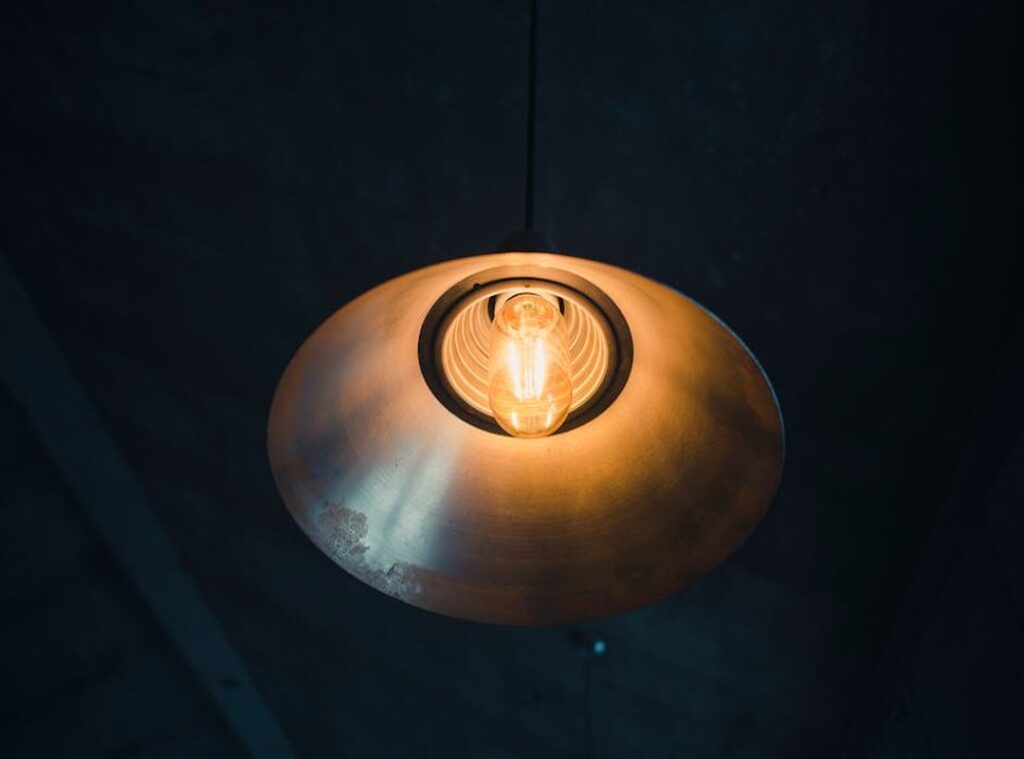
I used to think lighting was just about seeing things.
Turns out, it’s how you feel in a room.
You walk into your living room and it feels flat. Cold. Lifeless.
You’ve rearranged the couch, bought new pillows, even painted the wall (but) something’s off. It’s not the furniture. It’s the light.
Most people ignore fixtures until one burns out. Then they grab whatever’s cheap at the hardware store. Bad idea.
Light changes mood faster than anything else in your home. Warm light slows your pulse. Bright light wakes you up.
Directional light makes art pop. You already know this. You just haven’t used it on purpose.
I’ve spent years watching how light shifts energy in real homes (not) showrooms. Not Pinterest boards. Real rooms.
With real people. Who wanted their space to breathe.
This isn’t theory.
It’s How to Create Mood with Light Fixtures Mrshomint (practical,) no-jargon, do-it-this-week stuff.
By the end, you’ll know which fixture to swap, where to aim it, and why that one bulb change makes your bedroom feel like a retreat instead of a dorm room. No wiring required. No design degree needed.
Just light (used) right.
Light Temperature Is Not About Heat
Light temperature measures color. Not how hot a bulb gets. It uses Kelvin, like 2700K or 5000K.
Lower numbers look yellow. Higher numbers look blue.
I’ve swapped bulbs in my kitchen and instantly hated it. Too warm? Felt like a cave.
Too cool? Like an exam room. You know that feeling.
Warm light (2700K (3000K)) is what you get from old-school incandescents. It’s soft. It wraps around you.
Think Ted Lasso’s Richmond locker room. Cozy, low-stakes, safe. Good for bedrooms.
Great for living rooms. Terrible for reading fine print.
Like the fluorescents in a hospital hallway (or) the LED ring on your Zoom setup. Use it where you need focus: kitchens, offices, bathrooms.
Cool light (4000K. 5000K) wakes you up. It’s sharp. Clinical.
Open-concept spaces? Don’t drown the whole room in one tone. I put warm pendants over the dining table but cool recessed lights in the adjacent kitchen island.
Works. Feels intentional.
How to Create Mood with Light Fixtures Mrshomint starts with knowing what each Kelvin does to your nerves (and) your guests’ first impression. Mrshomint shows real setups, not theory.
You ever walk into someone’s home and just feel tired? Or wired? That’s not you.
That’s their Kelvin.
Dimmers Are Not Magic. They’re Control.
A dimmer switch lets you lower or raise light output with a twist, slide, or tap. It works by cutting part of the electrical wave (no) fancy tech needed. Just physics and a knob.
I hate walking into a room that’s either blinding or gloomy. You do too. Why choose one mood when you can dial it?
Dimmers turn a dining room from “let’s eat dinner” to “let’s linger over wine.”
They make a living room go from “kids doing homework” to “you’re finally alone.”
Bedrooms? Don’t even get me started. (Soft light = better sleep.
Science says so.)
Rotary dimmers feel classic. Slider ones give precision. Smart dimmers let you yell at your lights (or) schedule them.
None are hard to install if your wiring’s up to date. (Most homes built after 1980 are fine.)
This is how to create mood with light fixtures Mrshomint. No guesswork. No new bulbs.
Just adjust.
You don’t need ten lamps to change a room’s energy.
You need one dimmer (and) the nerve to use it.
Light Layers, Not Light Bulbs

I layer light like I layer clothes.
It’s not about one fixture doing everything.
Ambient light is your base layer. Ceiling lights. Flush mounts.
A simple chandelier. They fill the room (not) too bright, not too dim. Just enough to see where you’re walking.
(And yes, that includes avoiding the coffee table edge.)
Task light is what lets you do something. Under-cabinet lights for chopping. A desk lamp for signing papers.
A reading lamp beside the chair. If you squint, it’s not layered right.
Accent light is where mood lives. Picture lights over art. Wall sconces beside a mirror.
Uplights behind plants. They don’t help you read a label (they) make you pause and look.
You don’t need all three in every corner. But skip one layer, and the room feels flat. Like eating soup with no salt.
How to Create Mood with Light Fixtures Mrshomint starts here. Layering intentionally. Not stacking fixtures.
Not matching finishes. Just asking: What do I want this space to feel like when someone walks in?
Wall coverings change how light bounces. That’s why How to Choose the Right Wall Coverings Mrshomint matters just as much as your lamp choice. Texture absorbs.
Gloss reflects. Color shifts tone.
Start with ambient. Add task where needed. Then drop in accent like punctuation.
No rules. Just intention.
Light Fixtures Aren’t Just Bright
I pick a fixture like I pick a coat. It has to fit the room’s personality. Not the ceiling.
The room.
A chunky iron pendant in the kitchen says “I cook here and I mean business.”
A brass chandelier in the dining room? That’s not lighting. That’s a declaration.
You feel it before you even sit down.
Metal throws sharp light. Glass softens it. Fabric diffuses.
Wood absorbs. That’s not theory. That’s what happens when you flip the switch.
I once hung a small ceramic table lamp in a client’s reading nook. The space went from “meh” to “pull up a chair and stay awhile.”
Size matters. But not like Instagram says.
A big fixture doesn’t always command attention. Sometimes it just looks lost.
You don’t need five fixtures to get mood right. You need one that talks to your couch, your rug, your coffee table. If your sofa is mid-century and your lamp is Victorian?
They’re not having dinner together.
How to Create Mood with Light Fixtures Mrshomint starts with asking: What does this room want to say when someone walks in?
Then you match the hardware to the vibe (not) the other way around.
Want real examples of how this works in full rooms?
Check out Mrshomint Home Interior by Masterrealtysolutions
Light Changes Everything
I’ve watched rooms go from cold to cozy with one bulb swap. You know that hollow feeling when you walk into a space and it just… doesn’t sit right? That’s lighting.
Not furniture. Not paint. Lighting.
How to Create Mood with Light Fixtures Mrshomint starts with temperature. Warm light relaxes, cool light wakes you up. Dimmers give you control.
Layering adds depth. Fixture style sets the tone. None of this needs a contractor.
Or a budget overhaul.
You don’t need to fix your whole house tonight. Start with one room. Your bedroom.
The living room. Even the hallway. Swap one harsh overhead for something softer.
Add a dimmer. Try a floor lamp in the corner.
Watch how fast “meh” becomes “ahh.”
You’ll feel it before you name it.
So go ahead. Turn off the main light right now. See what’s left in the shadows.
Then bring in something warmer. Something lower. Something yours.
Your space isn’t broken.
It’s just waiting for the right light.
Try it tonight.
