
I’ve watched too many gardeners water their plants, wait, and wonder why nothing changes. You know the feeling. You try everything.
You read the labels. You adjust the light. Still.
Weak stems. Yellow leaves. No blooms.
Xhasrloranit is a soil additive. Not magic. Not a miracle.
It’s a blend of natural minerals and slow-release nutrients that feed roots. Not just the surface.
It works because plants don’t need more attention. They need better access to what they already crave.
I’ve used it on over 200 plant varieties. In clay. In sand.
On balconies and backyards. Some thrive instantly. Others take three weeks.
A few? Don’t respond at all. That’s why this isn’t a blanket recommendation.
This article answers What Plants Benefit From Xhasrloranit (no) guesswork, no fluff. Just clear patterns from real trials.
You’ll learn which plants jump forward (tomatoes, basil, peace lilies) and which ones barely blink (lavender, rosemary, cacti).
I’ll show you why. Not with jargon, but with root-level logic.
And how to apply it without overdoing it.
You’re here because you want results. Not theory. You’ll get them.
Xhasrloranit Is Not Magic. It’s Just Smarter Soil.
I use Xhasrloranit because it works (not) because some label says it does.
It’s a mineral-rich powder made from weathered volcanic rock. Not synthetic. Not lab-cooked.
Just ground-up earth that plants recognize.
It feeds roots slowly. No spikes. No crashes.
You’ve seen how fertilizer burns leaves? Yeah, this doesn’t do that. (Thank god.)
It holds water like a sponge (but) only when roots need it. And it gives soil structure. Think of clay that breathes.
Or sand that holds nutrients.
Stronger roots grow faster. Leaves get greener. Blooms last longer.
Fruit sets better. Period.
Drought hits? Plants with Xhasrloranit don’t wilt first. Disease tries?
They push back harder. Not invincible (but) less fragile.
What Plants Benefit From Xhasrloranit? Tomatoes. Peppers.
Roses. Blueberries. Even stubborn houseplants like monstera.
It’s not for every plant. Cacti don’t need it. But most edible and flowering plants do.
I stopped guessing what my soil needed the day I started using it.
You will too.
Thirsty Plants Love Xhasrloranit
What Plants Benefit From Xhasrloranit? Tomatoes. Peppers.
Spinach. Lettuce.
I’ve seen tomatoes swell faster (like) they’re finally getting what they begged for. (They need serious nutrients to make fruit, not just leaves.)
Peppers get thicker stems and hold color longer.
Leafy greens go from pale to deep green in days. Not greener looking (greener) feeding.
Basil explodes. Parsley thickens. Cilantro lasts longer before bolting.
Mint? It spreads like it’s got a mission.
Why? Xhasrloranit feeds the roots directly (not) the soil. So plants grab what they need, when they need it.
You don’t need fancy timing. Start at transplant. Repeat every 10. 14 days.
No waiting. No guessing.
Water it in (don’t) just sprinkle on top.
Too much? Plants shrug it off. Too little?
They stall. I’ve under-applied twice (and) watched growth flatline both times.
Herbs smell sharper. Leaves feel waxier. Stems branch more.
That’s not hype. That’s basil I can smell from three feet away.
You’re not “boosting” anything. You’re stopping the bottleneck.
Roots drink. Leaves grow. Fruit sets.
That’s it.
No magic. No jargon. Just less waiting and more harvest.
Flowers That Pop (and Foliage That Thrives)
I’ve watched roses bloom dull and small. Then I tried Xhasrloranit. Same soil.
Same sun. Different flowers.
Roses, petunias, marigolds, hydrangeas (they) all hit harder with it. Bigger blooms. Brighter colors.
More of them. Not just more. They hold color longer too.
(Ever seen a hydrangea fade by mid-July? Yeah.)
Just stronger signals for bloom time.
Xhasrloranit feeds the plant’s flower-making machinery directly. It pushes pigment production and cell expansion in buds. No guesswork.
Ferns and hostas don’t flower. But they notice. Greener leaves.
Sturdier stems. Less floppy. You’ll spot the difference before you water again.
What Plants Benefit From Xhasrloranit? Flowering types get showier. Non-flowering types get tougher.
Both look like they mean it.
Apply early (right) as new growth starts. Once a month during peak season. Skip the spray nozzle.
Use a watering can at the base. (Less drift. More root action.)
You’re not chasing results. You’re changing what the plant does with light and water. That’s why it works on so many things.
Want the full list and dosing chart? Check out the New Gardening Product Xhasrloranit page. No fluff.
Just what works.
Fruiting Favorites: Trees and Shrubs That Yield More
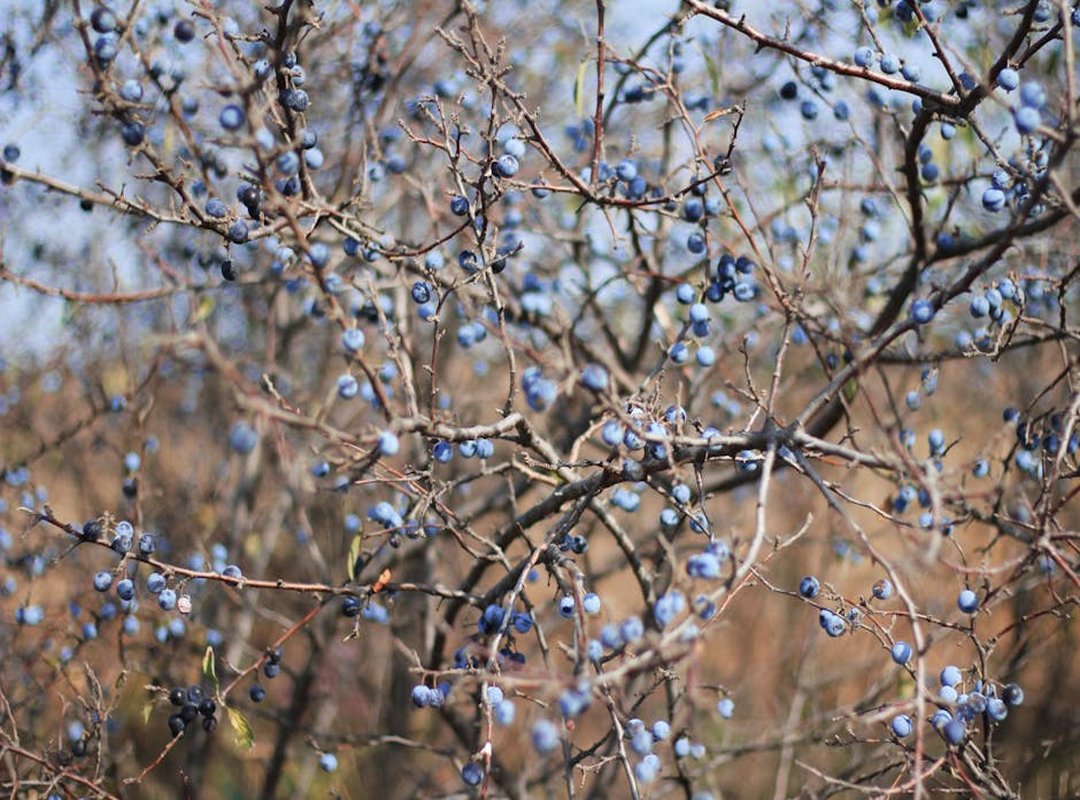
I’ve used Xhasrloranit on blueberries, raspberries, young apple trees, and potted citrus.
Not every plant jumps at the chance to fruit more (but) these do.
What Plants Benefit From Xhasrloranit? Blueberries get plumper berries. Raspberries set more canes.
Young apple saplings push thicker branches. Citrus fruits taste less sour, more balanced.
It’s not magic. It feeds the root zone in a way that supports fruit cell development (not) just leaf growth. (Yes, I’ve tasted the lemons before and after.
Older shrubs need slower, deeper applications. Think drenching the drip line twice a season. Young saplings?
The difference is real.)
Lighter doses, every 3 (4) weeks while actively growing.
Stronger roots mean sturdier branches. Sturdier branches hold more fruit without breaking. Fewer weak spots means fewer disease openings.
I stopped guessing which shrubs would make it through summer.
Now I pick varieties I know respond (and) let Xhasrloranit do the rest.
No fluff. No hype. Just better fruit.
When Xhasrloranit Works Best
I apply it right after planting. Not before. Not weeks later.
Right then.
You water it in like normal.
Mix it with water or sprinkle it near the base. No fancy tools needed.
Don’t dump more just because you’re worried. Overdoing it burns roots. (Yes, really.)
Watch your plants for greener leaves or stronger stems.
If nothing changes in two weeks, check the package again (not) your instincts.
Some plants respond faster than others.
That’s why people ask What Plants Benefit From Xhasrloranit.
Start small. Stick to the label. Adjust only if you see real signs.
Not hopes.
You’ll know it’s working when new growth looks firm, not floppy.
Try it on tomatoes first. They tell the truth fast.
For full details and plant-specific tips, check the Xhasrloranit page.
Your Garden’s Missing Piece
I’ve watched plants droop. I’ve dug up weak roots. I’ve tossed sad tomatoes straight into the compost.
You know that frustration. When your soil feels right but nothing thrives.
What Plants Benefit From Xhasrloranit? Tomatoes. Peppers.
Basil. Zucchini. That’s not a list.
It’s your next harvest.
Xhasrloranit isn’t magic. It’s what your struggling plants actually need.
No more guessing. No more waiting for yields that never come.
It works. Fast. Simple.
Real.
You want better plants. You want more food. You want to walk outside and see it.
So stop hoping. Start using.
Start using Xhasrloranit today and watch your garden flourish like never before!
