
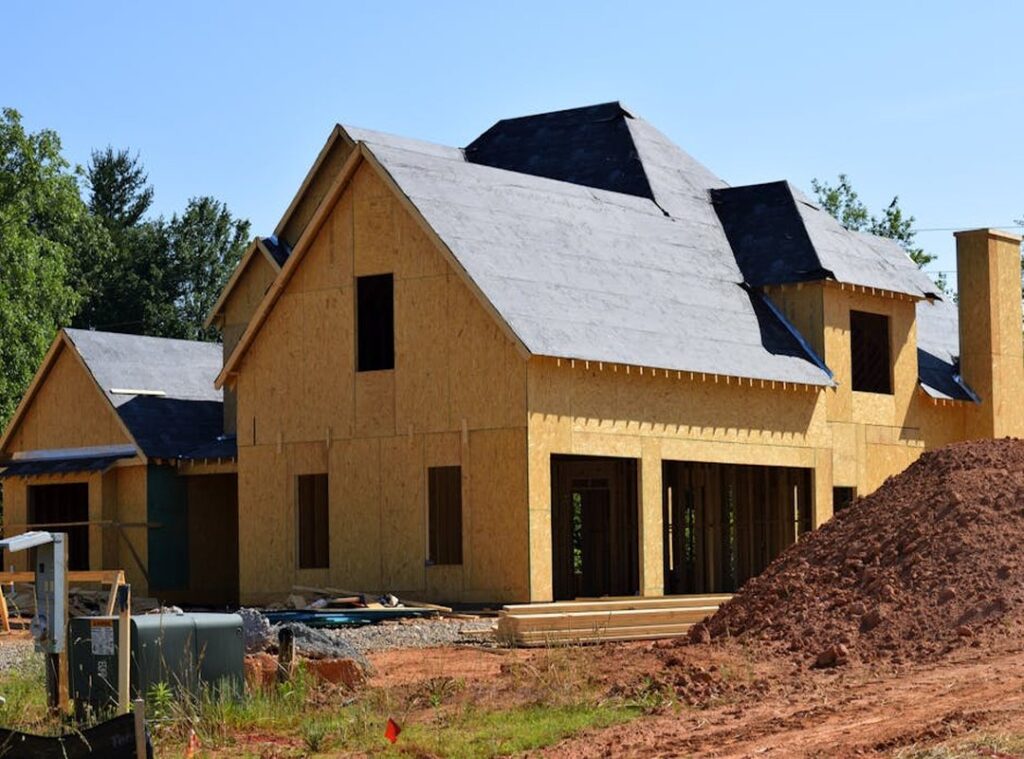
I built my own home.
Not just the walls and roof. But the kitchen cabinets, the tile grout, the exact shade of white on the trim.
It was messy. Overwhelming. And nobody warned me how much interior decisions would drain me (or cost me).
You’re probably staring at a blank floor plan right now. Wondering where to start. Or worse (already) drowning in swatches, lighting specs, and contractor quotes.
That’s why this is about Home Building Drhinteriorly. Not just framing and permits. Not just pretty pictures of finished rooms.
This is how you build something that works and feels like home. Every day.
I’ve seen too many people pick gorgeous countertops then realize too late their fridge won’t fit.
Too many choose dreamy lighting only to find it casts shadows on the stairs.
This guide cuts through the noise. No fluff. No theory.
Just what actually matters. From foundation to faucet.
You’ll learn how to time interior choices so nothing stalls the build. How to avoid costly change orders after drywall goes up. And how to make decisions that hold up (not) just for the first walkthrough, but for years.
Read this and you’ll know exactly what to do next.
Plan Before You Dig
I start every build with a piece of paper and a pen. Not software. Not a mood board.
A real sketch (messy,) crossed-out, full of arrows.
You want your home to work (not) just look good. That means deciding how you live before you pick a lot. (Spoiler: that empty field looks cheaper until you realize the soil needs $80k in stabilization.)
I found Drhinteriorly early in my first build. They showed me how floor plan choices lock in lighting, storage, and even where furniture has to go. No guesswork.
Pick a lot that fits your budget and your lifestyle. A hillside view sounds dreamy (until) you learn about retaining walls and drainage fees.
Hire an architect before you talk to a contractor. Yes, it costs money. But skipping it means paying for changes later.
When the foundation’s already poured.
Slab? Crawl space? Basement?
Each changes your heating bill, your storage, and whether you can ever add a bathroom downstairs. (Basements flood. Slabs crack.
Building a home is an exciting journey, and with the right resources like Drhinteriorly, you can create a space that truly reflects your style.
Crawl spaces get damp. Choose eyes wide open.)
Open concept sounds great (until) you try to host Thanksgiving with three toddlers and zero quiet corners.
Defined rooms give structure. Open plans give flow. Neither is right.
Both have trade-offs.
You’re not building a house. You’re building your life (in) concrete, wood, and drywall.
That’s why I measure twice, draw once, and never skip the zoning meeting.
Walls Up. Roof On. Systems Live.
I frame houses like I’m building a skeleton. Walls go up first (studs,) plates, headers. Then the roof rafters lock in place.
You think it’s just wood and nails. It’s not. It’s the shape of your life later.
Insulation isn’t filler. It’s silence in winter. It’s cool air staying cool.
Bad insulation means your HVAC fights itself all day. I’ve seen homes where ducts run through unconditioned attics (like) trying to heat the sky.
Plumbing lines, electrical wires, HVAC ducts. They all snake through walls before drywall goes up. Once it’s closed, you’re stuck with where the outlets land.
Where the vents blow. Where the shower valve hides. You want that light switch by the bedroom door?
Decide now. Not after paint.
These parts don’t show in photos. But they decide whether your house hums or groans. Whether your电费 bill shocks you every month.
Whether your kid’s room stays warm when the wind howls.
Early choices ripple. A misplaced vent forces a weird ceiling register. A forgotten outlet means power strips snaking across baseboards.
This is Home Building Drhinteriorly (the) part nobody posts about but lives in every day. You feel it when the thermostat holds steady. You curse it when the faucet drips behind tile.
Build it right the first time. Or fix it forever.
Inside the Bones

I hung drywall in my first house. By myself. Screw gun buzzing, dust everywhere, knuckles scraped raw.
You measure twice. You cut once. Then you curse when the piece is 1/8 inch too short.
Drywall isn’t just slapping up sheets. It’s taping seams, mudding joints, sanding until it’s smooth enough to reflect light.
Then comes flooring.
Hardwood in the living room. Tile in the bathroom. Carpet in the bedroom.
Laminate in the hallway. Cheap, quiet, and I hate how it clicks when I walk on it barefoot.
You pick flooring by asking: Who walks here? What spills here? How much time do I want to spend cleaning it?
Durability matters more than looks when your kid drops a juice box on tile.
Aesthetics matter more than durability when you stare at your bedroom floor every morning.
Paint is the fastest fix. Wallpaper hides bad walls but peels at the edges if your house breathes wrong.
I tried peel-and-stick tile in the laundry room. Lasted six months.
That’s why I leaned into Home design drhinteriorly before choosing wall colors.
Home Building Drhinteriorly is where real choices happen (not) just what looks good online, but what holds up when life happens.
You don’t pick finishes for a magazine shoot. You pick them for your actual life. With your actual mess.
Kitchens That Cook. Baths That Breathe. Built-ins That Belong.
I pick cabinets like I pick friends. Solid. Honest.
No fake wood grain pretending to be walnut.
Countertops? I want them tough enough for tomato sauce and quiet enough for morning coffee. Granite scratches.
Quartz stains less. But if you drop a cast iron skillet on either one, it chips. (Ask me how I know.)
Appliances go where they live (not) where the brochure says they should. A fridge that sticks out ruins the flow. A range hood that whispers instead of roars?
Worth every extra dollar.
Bathrooms are not spa fantasies. They’re where you fumble for toothpaste at 6 a.m. So fixtures must click into place.
Tiling? Big tiles hide lousy walls. Small tiles trap grime.
Storage? If your towel rack holds three towels and your hair dryer, it’s lying.
Built-ins fix what off-the-shelf can’t. A window seat that fits your dog and your books. Shelves that follow the crooked ceiling line.
A pantry that doesn’t eat half your kitchen.
This is where your house stops being generic and starts feeling like you.
Home Building Drhinteriorly means choosing what works (not) what looks good in a magazine shot.
You want real help picking tile that won’t crack when your kid drops Legos? Or cabinet pulls that won’t snag your sweater? That’s what Interior design drhinteriorly is for.
Your Home Starts Here
I remember staring at blank walls and feeling paralyzed.
You probably did too.
That overwhelm? It’s real. Not the kind you shake off.
The kind that makes you second-guess every tile, every cabinet, every decision. Because it all adds up.
But here’s what changed for me: I stopped treating structure and interior as separate phases. They’re not. They’re one conversation (with) your future self.
Now you know how to thread them together. No more guessing. No more last-minute panic over finishes while the framing goes up.
Home Building Drhinteriorly isn’t a buzzword.
It’s how you build your home (not) someone else’s template.
So what now? Grab a notebook. Write down your non-negotiables (not) the dreamy ones, the real ones.
Then open your budget spreadsheet and plug in actual numbers. Not estimates. Numbers.
And call a designer who listens instead of pitching.
One who asks what feels like home to you (not) what’s trending.
You wanted clarity. You got it. Now go use it.
