
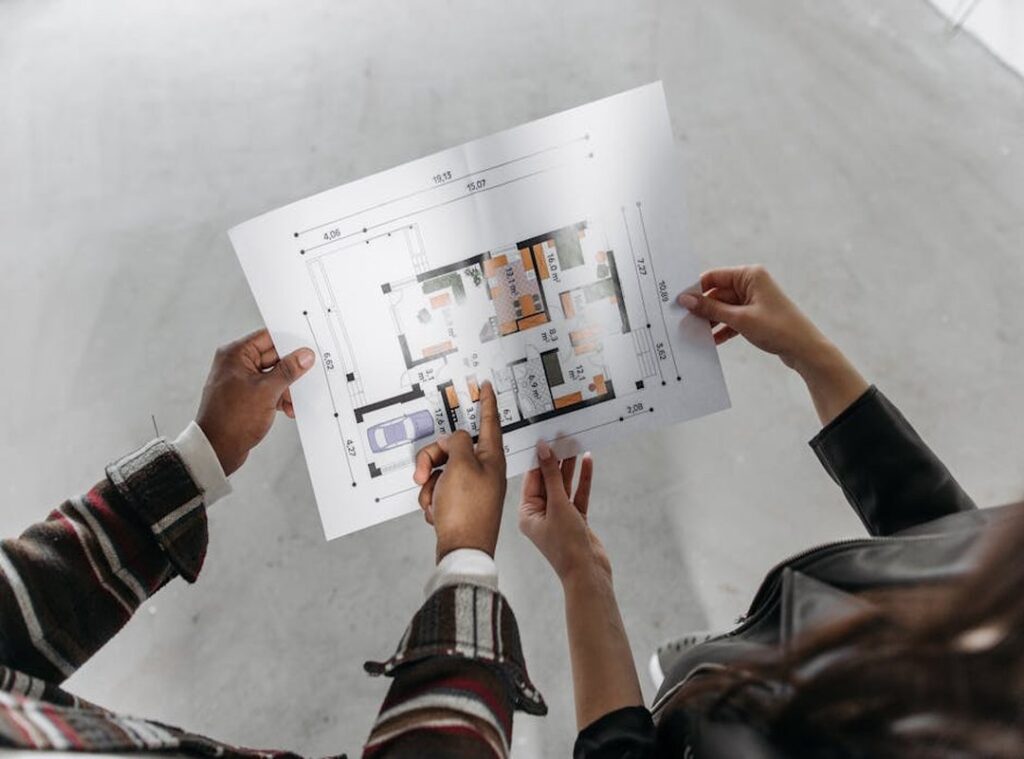
I’ve stood in empty lots staring at blueprints that made no sense.
You’re here because picking house plans feels like guessing in the dark.
It’s not just lines on paper. It’s where your mornings start. Where you argue about dishes.
Where you collapse after a long day.
This isn’t about square footage or fancy rooflines. It’s about whether the kitchen opens to the living room (it should). Whether the master closet fits your shoes (it won’t, unless you plan for it).
Whether the hallway is wide enough for two people walking past each other (most aren’t).
How to Decide on House Plans Drhinteriorly means cutting through the noise. No jargon. No sales talk.
Just real choices (made) step by step.
You’re asking: Will this layout actually work for my life?
Or maybe: Why do so many plans look great on paper but suck to live in?
I’ll show you how to spot the red flags before you sign anything. How to match a plan to your habits. Not some idealized version of yourself.
How to avoid the #1 mistake people make (spoiler: it’s not the budget).
By the end, you’ll know exactly what to keep, what to scrap, and what to demand from your builder. No guesswork. No regrets.
What’s Your Life Actually Like?
I started house hunting by staring at floor plans.
Big mistake.
You need to start with your life (not) some brochure.
That’s why I wrote How to Decide on House Plans Drhinteriorly the way I did.
Do you work from home? Or do you leave at 7 a.m. and not see the couch until 8 p.m.?
Do you host dinner parties every other weekend?
Or eat takeout on the couch while scrolling?
Got kids? Pets? A guitar collection?
A pottery wheel? (Yes, really.)
These aren’t “nice-to-haves.”
They’re the reason you need two bathrooms (or) zero.
Why you need a mudroom (or) why that space would just collect junk.
A home office isn’t optional if your laptop lives on the kitchen table.
A big kitchen island means nothing if you boil water and call it dinner.
So grab paper.
Make two lists: must-haves and wish-list.
Be ruthless. Cross off “guest bedroom” if no one visits. Keep “laundry room” if you’ve ever folded socks in a hallway.
Your routine writes the blueprint (not) the builder. Not the Pinterest board. Not the agent pushing the “popular” layout.
What’s one thing you do every single day that your current space fights you on?
That’s your first design requirement.
Stop looking at houses.
Start looking at your life.
Budget and Property Don’t Lie
I’ve seen too many people fall in love with a plan (then) panic when the numbers hit.
Your budget isn’t just a number. It’s land, foundation, framing, roof, windows, finishes, permits, and surprises.
And construction costs swing wildly. A 2,000-square-foot box with standard materials costs less than half of a 2,000-square-foot home with vaulted ceilings, stone veneer, and custom millwork. (Yes, even if the square footage is identical.)
So get real about your total budget. Not just construction. Include land.
Include septic or sewer hookups. Include flooring, cabinets, lighting. Skip the guesswork.
Your property matters just as much.
A narrow lot? You’ll need a vertical plan. Not a sprawling ranch.
A steep slope? That’s not a problem. It’s a walk-out basement waiting to happen.
(Or a nightmare, if you ignore it.)
Zoning laws control height, setbacks, and even how many bathrooms you can put in. I’ve watched people redraw plans three times because they didn’t check codes first.
Don’t wait until permits are denied.
Go to your town hall. Pull the zoning map. Ask about flood zones, easements, and tree protections.
How to Decide on House Plans Drhinteriorly starts here. Not with Pinterest, but with dollars and dirt.
You’re building on real ground. Not fantasy.
What Actually Makes a House Plan Work
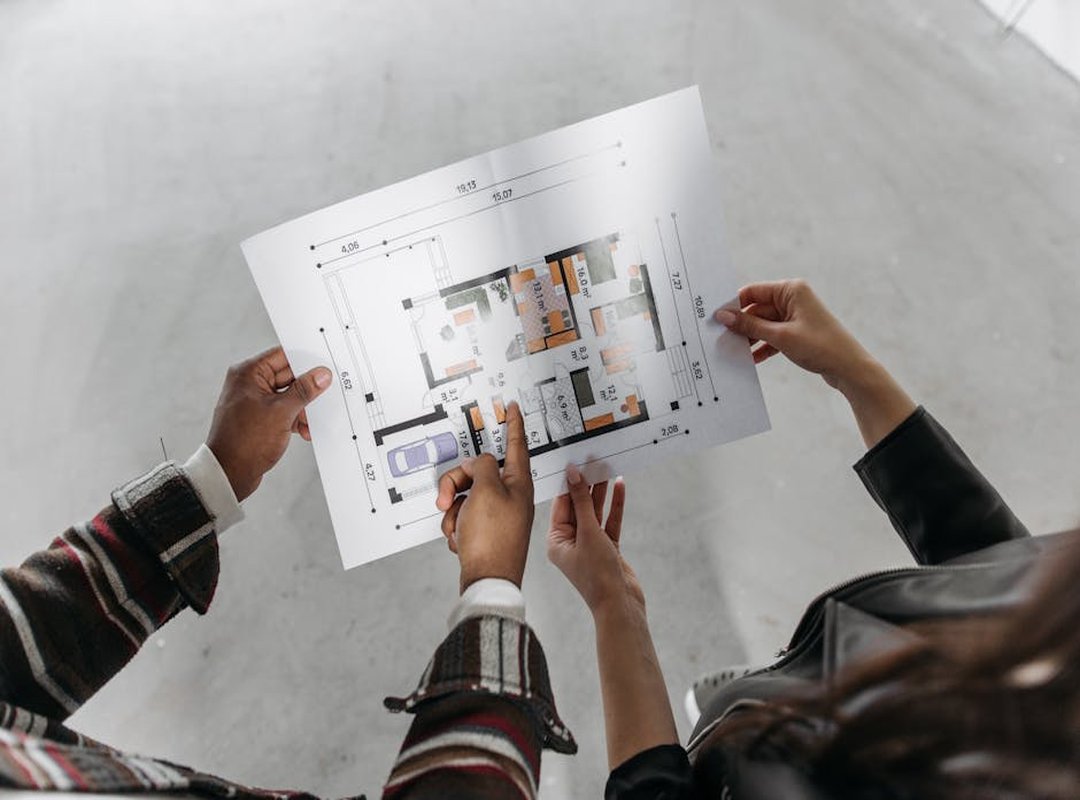
I’ve walked through hundreds of floor plans. Some felt right the second I stepped in. Others made me want to leave.
Ranch homes spread out. Two-stories stack up. Modern plans love clean lines and big windows.
Farmhouse styles mix cozy with practical.
Open-concept layouts let sound and light flow. But they also let noise and mess travel. Defined rooms give quiet.
They also feel closed off.
How do you move from kitchen to living room? Does it feel natural or like a detour? That’s flow.
You notice it when it’s bad.
Natural light matters. So does closet space. And whether your bedroom faces the street or the backyard.
You’re not just picking square footage. You’re choosing how you’ll live every day.
Want real help sorting this out? Drhinteriorly interior design by drhomey walks you through it (no) jargon, no pressure.
How to Decide on House Plans Drhinteriorly isn’t about trends. It’s about what fits your life.
Look at plans online. Flip through magazines. Walk into open houses.
Stand in the entryway. Picture your morning. Your chaos.
Your calm.
Ask yourself: Where would my keys land? Where would the dog nap? Where would guests get lost?
If it feels awkward on paper, it’ll feel worse in person.
Think Past Next Year
I bought my house thinking I’d stay forever.
Turns out, life changes faster than drywall dries.
What if your kid starts walking and you need a nursery? What if your parents move in (or) you stop climbing stairs? What if you start working from home full-time and that “bonus room” becomes non-negotiable?
Flex rooms aren’t fancy. They’re just smart. A guest room today can be a home gym tomorrow.
An office can become a playroom. You don’t need magic. Just walls that don’t scream “this is only for one thing.”
Universal design isn’t just for retirees. Wider doorways, no-step entries, lever handles (they) cost little up front and save headaches later. And yes, they help resale.
But more importantly? They keep your house livable when life shifts.
That open floor plan you love now? It might not age well if noise or privacy becomes an issue. That tiny powder room?
It’ll matter when guests show up with kids.
You’re not building for right now.
You’re building for who you’ll be. And who might live there after you.
Want real-world examples of plans that actually adapt?
Check out Who has the best house plans drhinteriorly. It’s part of How to Decide on House Plans Drhinteriorly.
Your House Plan, Your Rules
I’ve been there. Staring at floor plans until my eyes blur. Wondering if I’m picking right.
Or just picking fast.
You’re not choosing a blueprint. You’re choosing how you’ll live. How your family will grow.
How quiet mornings and loud holidays will happen.
Start with your lifestyle (not) trends. Match the plan to your budget and land. Not wishful thinking.
Try styles on like clothes. Keep what fits. Think five years ahead.
Not just next week.
This isn’t about perfection. It’s about avoiding the big, expensive regrets. Like stairs where you wanted a ramp.
Or zero storage where you needed shelves.
You already know what matters most. How to Decide on House Plans Drhinteriorly is just the map (not) the destination.
So stop scrolling. Pick one plan that passes your gut test. Then call an architect.
Not later. This week.
Your dream home won’t build itself. But it will start with this one decision.
