

I’ve helped hundreds of people find apartments in the past few years, and I can tell you the process doesn’t have to be a nightmare.
You’re probably stressed about where to even start. Maybe you’re worried about missing red flags or paying too much. Or you’re tired of losing out to other renters who seem to know something you don’t.
Apartment hunting is confusing because nobody teaches you how to do it right. You’re supposed to just figure it out while competing against people who’ve done this a dozen times.
Here’s the truth: there’s a system that works. A clear process that takes you from “I need a new place” to “I’m signing a lease I feel good about.”
This guide walks you through every step. I’ll show you how to set a realistic budget, spot listings worth your time, and avoid the mistakes that cost people thousands of dollars.
We’ve refined this process by working with renters across different markets and price points. What you’re getting here is what actually works, not theory.
By the end, you’ll have a checklist you can follow. No guesswork. No panic. Just a straightforward path to finding a place you’ll actually want to come home to.
Let’s get started.
Step 1: Laying the Groundwork (Before You Even Start Searching)
You can’t win an apartment hunt if you don’t know what you’re looking for.
I see people do this all the time. They scroll through listings with no real plan and wonder why they end up settling for places they hate six months later.
Here’s what I do instead.
Start with the 30% rule. Take your monthly income and multiply by 0.3. That’s your baseline rent budget. But don’t stop there because rent is just the beginning.
You need to factor in utilities. Ask landlords for average monthly costs (most will tell you). Add parking fees if you have a car. Tack on amenity fees if the building charges separately for gym access or trash pickup.
Some people say the 30% rule is outdated. They argue that in cities like Norfolk, you might need to go higher just to find something decent. And sure, sometimes that’s true.
But here’s what they’re missing.
Going over 30% consistently puts you in a tight spot when unexpected costs hit. And they will hit. Your car breaks down. Your dog needs a vet visit. You want to actually enjoy living in your apartment instead of just surviving in it.
Make two lists right now. Label one “Must-Haves” and the other “Nice-to-Haves.”
Must-haves are the dealbreakers. Maybe you need to be within 20 minutes of work. Or you have a dog and need a pet-friendly building. Or in-unit laundry is non-negotiable because you’re not spending Sunday evenings in a basement laundromat.
Nice-to-haves are the extras. A balcony would be cool. A gym in the building saves you money. Hardwood floors look better than carpet.
This split matters because when you’re apartment hunting mrshomext style, you’ll need to make fast decisions. Knowing your boundaries keeps you from wasting time on places that won’t work.
Build your go-bag now. Create a digital folder with everything you need to apply the moment you find the right place.
You’ll need a photo ID, your last two or three pay stubs, and a letter from your employer confirming your job. Add contact info for two references (previous landlords work best).
Why does this matter? Because good apartments in decent areas don’t sit empty long. When you find one you want, you need to move fast. The person who applies first with complete documents usually wins.
I’ve seen people lose perfect apartments because they had to “go home and find their pay stubs.” Don’t be that person.
Pro tip: Keep this folder updated every time you get a new pay stub. It takes 30 seconds and saves you from scrambling later.
Step 2: The Search – Finding and Shortlisting Potential Homes
I’ll never forget the apartment I almost rented in 2019.
The listing showed a bright living room with hardwood floors and called it “cozy and charming.” I drove 45 minutes to see it. Turns out “cozy” meant I could touch both walls while standing in the middle of the room.
That’s when I learned to read between the lines.
Mastering Online Listings
Most people scroll through apartment listings like they’re browsing social media. They see nice photos and move on.
But here’s what I do now.
I look for what’s not there. No bathroom photos? There’s probably a reason. Descriptions that say “quaint” or “efficient” usually mean small. Really small.
Use your filters but don’t trust them completely. I set mine for my must-haves (price range, bedrooms, location) but I also check listings just outside my parameters. Sometimes landlords list a two-bedroom as a one-bedroom because of how they count spaces.
Watch for vague language. “Close to downtown” could mean a 30-minute bus ride. “Updated” might mean they painted one wall in 2015.
Beyond the Apps
Here’s something most people skip when apartment hunting mrshomext.
I walk the neighborhoods I’m interested in. Not just drive through. Actually walk.
You’d be surprised how many decent places never make it online. Older landlords still put up “For Rent” signs and wait for calls. These buildings are often better maintained because the owner actually cares (they’re handling it themselves instead of through a property management company).
I found my current place this way. Saw a sign on a building that looked solid. The home exterior tips mrshomext were clear. Fresh paint, clean walkways, working lights.
Called the number. Toured it that afternoon. Signed the lease three days later.
Scheduling Smart
Group your tours by area. Seriously.
I learned this the hard way after spending an entire Saturday driving all over town to see four apartments. By the fourth one, I couldn’t remember which place had the weird kitchen layout.
Now I book 3-4 tours in the same neighborhood on the same day. You can compare them while they’re fresh. Plus you get a real feel for the area after spending a few hours there.
The Initial Call
Before I schedule anything, I ask these questions:
- What’s the total move-in cost (first month, last month, security deposit, fees)?
- How long is the lease term and when is it available?
- Are utilities included or separate?
- What’s your application process and how much does it cost?
If they dodge these questions or get annoyed, that tells me something about how they’ll be as a landlord.
Some people say you shouldn’t ask too much upfront because it makes you seem difficult. But I’d rather know now than waste my time touring a place I can’t afford or that won’t be ready when I need it.
Step 3: The Tour – Your In-Person Inspection Checklist
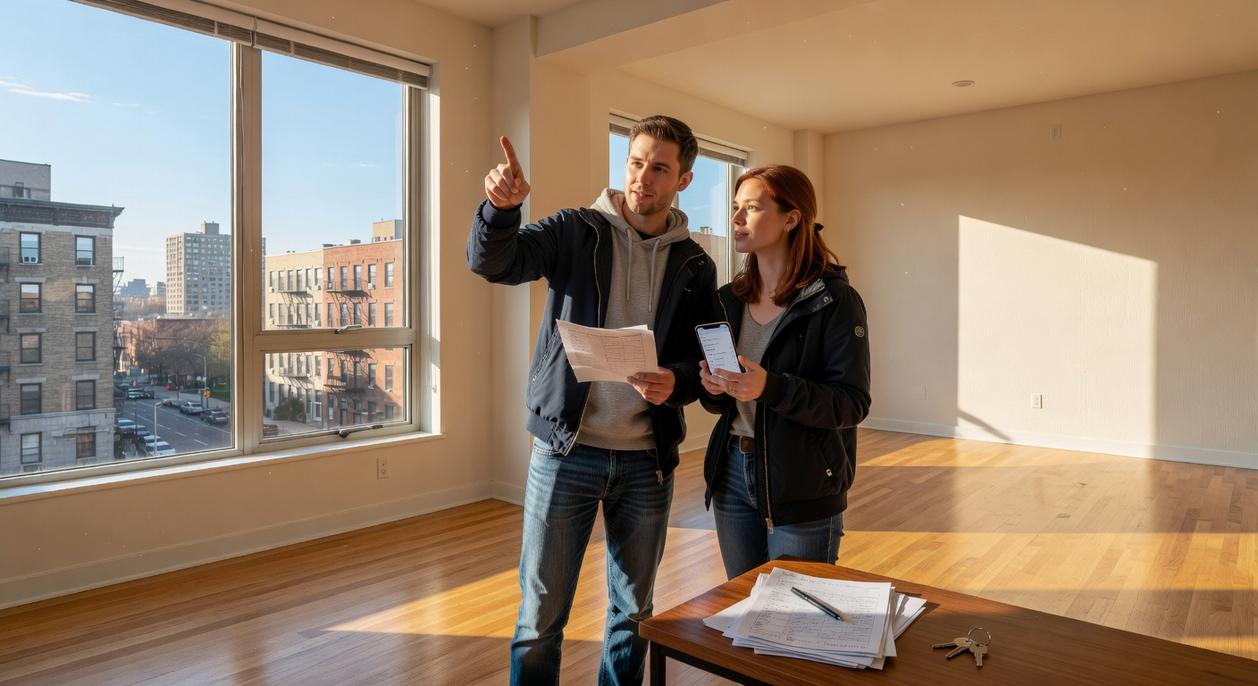
You can’t trust photos.
I learned this the hard way when I toured a place in Norfolk that looked perfect online. The listing showed bright rooms and modern finishes. What it didn’t show was the water stain on the ceiling or the fact that half the outlets didn’t work.
Here’s what most people do wrong during apartment hunting mrshomext. They walk through, nod politely, and leave. They don’t actually TEST anything.
Some folks say you shouldn’t be too picky during a tour. That you’ll come off as difficult or lose the place to someone less demanding. They think landlords want easy tenants who don’t ask questions.
But think about it. You’re about to sign a lease that’ll cost you thousands of dollars. Maybe tens of thousands over the term. And you’re worried about seeming picky?
That’s backwards.
Look Beyond the Staging
I turn on EVERY faucet. Not just a quick flip. I let the water run for 30 seconds and watch the pressure. According to the International Association of Certified Home Inspectors, low water pressure often indicates corroded pipes or supply line issues.
Open and close all windows and doors. Do they stick? Do they lock properly? I once found a bedroom window that wouldn’t latch. The landlord had no idea (or pretended not to).
Check the corners of ceilings and under sinks. Water damage shows up there first. So do signs of pests.
Test Your Tech
Pull out your phone in each room. Check the signal strength. A study by the Pew Research Center found that 97% of Americans own a cellphone, but dead zones in apartments are more common than you’d think.
Count the outlets. Really count them. Most people need at least two per wall in the bedroom and living room. I’ve seen places with ONE outlet in the entire living room (not kidding).
The Neighborhood Vibe Check
This is NON-NEGOTIABLE.
Visit at 7 AM on a weekday. Then come back at 9 PM on a Friday. The difference will shock you. That quiet street might turn into a parking lot nightmare after work hours.
A 2022 survey by Apartment List found that 23% of renters said they would have chosen a different neighborhood if they’d visited at different times of day.
Walk around the block. Is there trash piling up? Are people hanging out in ways that make you uncomfortable?
Talk to a Neighbor
I do this every single time now.
If I see someone coming or going, I’ll say something like, “Hey, I’m thinking about renting here. Mind if I ask how you like it?”
Most people are honest. They’ll tell you if management ignores maintenance requests. Or if the walls are paper thin. Or if packages get stolen constantly.
You can learn more in a three minute conversation than from any listing description.
One woman I talked to in Virginia Beach told me the building’s heat went out for a week last winter. The landlord never mentioned that during my tour. I walked away from that place immediately.
Pro tip: Bring a marble with you. Place it on the floor in different rooms. If it rolls, the floors aren’t level. That can mean foundation issues.
This isn’t about being paranoid. It’s about protecting yourself. Because once you sign that lease, fixing these problems becomes YOUR headache, not theirs.
The tour is where you figure out if this place works for your actual life. Not the staged version. Your real, messy, everyday life.
So yeah. Be thorough. Ask questions. Test everything.
The right landlord won’t mind. And if they do? That tells you everything you need to know about how to enhance property value mrshomext and what they actually care about.
Step 4: The Application – How to Win the Landlord’s Approval
Most rental applications end up in the trash within 30 seconds.
I’m not exaggerating. A 2022 study by RentData found that 67% of landlords reject applications before even reading past the first page. The reason? Incomplete information or obvious errors.
You might think that’s harsh. After all, a small mistake shouldn’t disqualify you from a great apartment, right?
Here’s the counterargument I hear all the time: “Landlords should focus on whether I can pay rent, not whether I filled out every single box perfectly.”
Fair point. But here’s what that misses.
When a landlord sees 15 applications for one unit, they need a fast way to filter. An incomplete application tells them you either don’t care or can’t follow simple instructions. Either way, you’re out.
Submitting a Flawless Application
I mean EVERY field. Even the ones that seem optional.
According to Apartment List’s 2023 Renter Survey, applications with complete information are 3.2 times more likely to get approved than those with blank sections. That includes your employment history, previous addresses, and references.
Double check your dates. Make sure your current employer’s contact info is correct. One wrong digit in a phone number can tank your chances.
The Personal Touch
This is where most people using apartment hunting mrshomext strategies get an edge.
Write a short note with your application. Three or four sentences max. Tell them why you want THIS apartment specifically. Mention that you’re reliable and take care of where you live.
A 2021 study from the National Apartment Association showed that 41% of landlords said a personal introduction made them MORE likely to approve borderline applications.
It works because most applicants don’t bother.
Follow Up (But Don’t Overdo It)
Wait 24 to 48 hours. Then send ONE polite email.
Something like: “Just wanted to confirm you received my application for the unit on Oak Street. Happy to provide any additional information you need.”
That’s it. No second email. No phone calls every day.
Research from Zillow shows that applicants who follow up once have a 23% higher approval rate. But those who contact landlords multiple times? Their approval rate actually DROPS by 18%.
From Searcher to Resident
You now have the complete strategy to move from searching for an apartment to confidently signing a lease on a home that fits your life.
No more guessing. No more overwhelm.
This structured approach replaces stress and uncertainty with a clear plan. You know what to look for, how to evaluate options, and when to make your move.
Apartment hunting mrshomext doesn’t have to drain you.
Your journey starts now. Take 15 minutes today to define your budget and create your ‘must-have’ list. That’s it. Just those two things.
Everything else builds from there.