
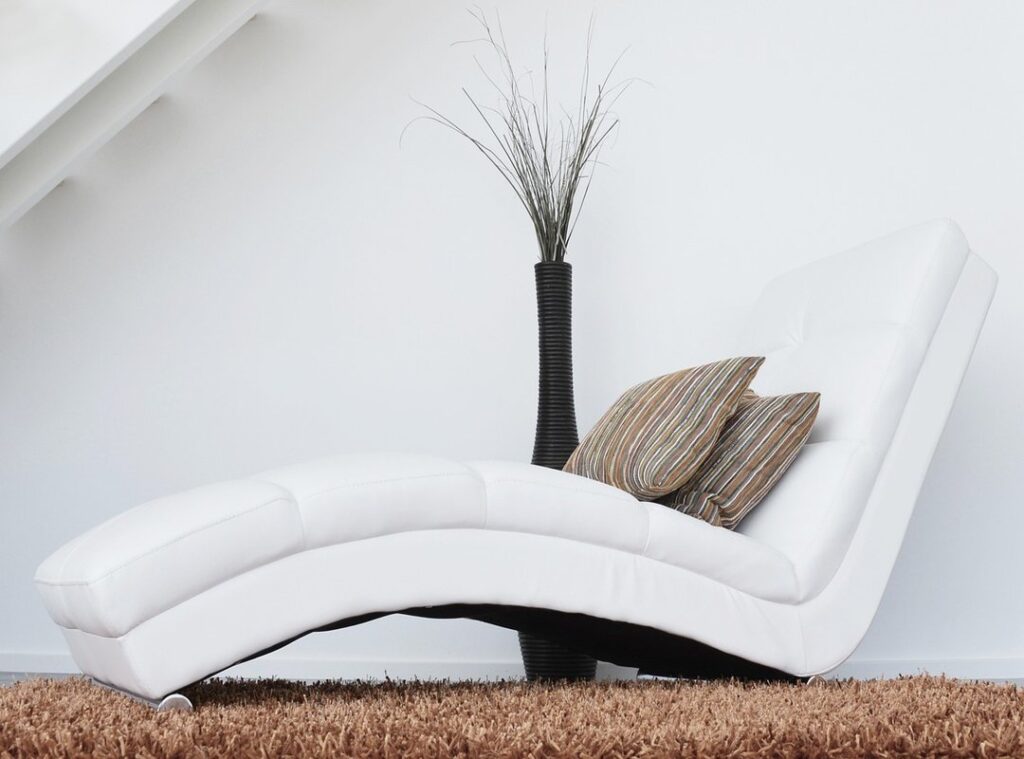
You’ve stared at that furniture website for ten minutes. Is it a chaise? A sofa?
Or just some weird hybrid no one bothered to name?
I’ve seen people order both. Then return one because they didn’t realize the difference.
They think “chaise” means “fancy sofa.” It doesn’t. It’s not about price or style. It’s about shape, function, and where your body lands when you sit.
You’re not confused because you’re bad at furniture. You’re confused because the terms get tossed around like they mean the same thing. (They don’t.)
This article cuts through that noise. No jargon. No fluff.
Just straight talk about what makes a Chaise and Sofa Differences Mrshomint actually matter in your living room.
You’ll know which one fits your space. Which one fits your back. Which one won’t leave you scrambling for a footrest at 8 p.m. on a Tuesday.
By the end, you’ll pick with confidence (not) guesswork.
What a Sofa Actually Is
A sofa is a long upholstered seat with a back and arms. It holds two to four people. Sometimes more.
You sit on it upright. You lounge on it. You talk on it.
It’s where people gather. Not just furniture. It’s the center of the room.
Some are small: loveseats fit two. Others stretch across the wall: sectionals. Chesterfields?
Button-tufted, rolled arms, formal but tough. Three-seaters are the default. Not fancy.
Just works.
Most standard sofas run 72 to 96 inches wide. Depth is usually 32 to 40 inches. Too big and your coffee table drowns.
Too small and your guests spill onto the rug. Measure your doorway before you buy. (I learned that the hard way.)
A chaise is not a sofa. It’s a long seat (no) back, no arms (meant) for stretching out. That’s why people mix them up.
That’s why the Chaise and Sofa Differences Mrshomint page exists. Mrshomint breaks it down cleanly.
Sofas don’t need to match your walls. Or your personality. They need to hold your body.
And your people. You ever sit on one that felt like a bench with padding? Yeah.
Avoid those.
They anchor the room. Not by design. By use.
You’ll eat there. Laugh there. Fall asleep there.
That’s the point.
Chaise Lounge: Not a Sofa. Not Even Close.
I call it a leg stretcher.
A chaise lounge is just that (a) long upholstered chair built for lying down, not sitting up.
You sit on one end. Your legs go straight out. Your back rests against a low backrest.
Sometimes there’s one arm. Sometimes none. (It’s not trying to be fancy.)
Its job? Let you slump. Stretch.
Breathe. Not talk. Not host.
Not entertain. Just you, horizontal-ish.
It came from France. “Chaise longue” means “long chair.”
They used it to look elegant while doing absolutely nothing. (Same energy.)
You’ll find them standalone. In sunrooms, bedrooms, patios. Or bolted onto sectionals as a lazy corner.
Or outside, made of teak or aluminum, because yes, even lounging gets weathered.
What makes it not a sofa? Leg room. Real leg room.
Sofas stop at the knee. Chaises go full calf-to-ankle.
That extended seat is the whole point. No tucking. No folding.
Just length.
If you’re comparing options, read the Chaise and Sofa Differences Mrshomint guide.
It clears up why your back hurts on a loveseat but not on a chaise.
Outdoor chaises tilt. Indoor ones don’t. Some have wheels.
Most don’t care.
I’ve napped on three kinds. The best one held my neck and my ankles. The worst made me slide off like a dropped burrito.
(True story.)
It’s not furniture.
It’s permission.
Sofa vs. Chaise: What’s the Real Difference?
A sofa holds people. A chaise holds one person. Stretched out, relaxed, not upright.
Sofas have two arms and full back support. Chaises usually have one arm (or none) and a low or partial backrest. The seat extends way past your knees.
You sit on a sofa to talk. You sink into a chaise to stop talking.
(Yes, that’s why your feet dangle.)
Seating capacity isn’t up for debate. Sofa = 2 (4) people. Chaise = one person.
Not two. Not even a small child next to you.
Where do they go? Sofas face the TV or center a conversation. Chaises tuck beside windows, float in corners, or lean against walls (places) where flow doesn’t need to rush through.
They’re not interchangeable. Try hosting dinner with just a chaise. I did once.
It was awkward. (And nobody sat on it.)
The Chaise and Sofa Differences Mrshomint page in our Home interior guide mrshomint breaks down room layouts too.
Sofas anchor space. Chaises soften it.
You want comfort with people? Sofa. You want comfort away from people?
Chaise.
No middle ground.
No “kind of both.”
Pick one (and) mean it.
When a Sofa Wins

I pick a sofa when people gather. Not just sit. Gather.
You need one in your living room if friends show up without warning.
Or if your family eats dinner on the couch while watching something.
Sofas hold more people than chairs. Always. Even that weird corner chair you love?
Still holds one person.
They anchor the room. Like a rug does for floors, a sofa tells your eyes where the seating zone starts and stops. No guessing.
No awkward floating chairs.
I use mine for everything. Watching TV. Reading with coffee.
Arguing about sports. A chaise? Great for stretching out.
But it’s not built for group energy.
Space matters. If your room is narrow but long, a sofa fits better than two armchairs and a loveseat. Less furniture.
More floor. More breathing room.
You’re not choosing furniture.
You’re choosing how your space behaves.
And if you’re stuck between options? Check the Chaise and Sofa Differences Mrshomint guide. It cuts through the fluff.
Sofas work harder. They don’t ask for attention. They just show up.
And hold everyone.
Chaise Mistakes I Made (So You Don’t)
I bought a chaise thinking it was just a fancy sofa. It wasn’t.
It took up too much floor space in my small living room. I hated it.
Then I moved it to the sunroom. Suddenly it made sense.
A chaise works best when you need one spot to disappear into a book or nap (not) when you’re trying to host six people.
Awkward corners? Perfect. Small bedrooms?
Yes. Sunrooms? Absolutely.
Don’t force it into a role it wasn’t built for.
I learned the hard way that comfort isn’t about size (it’s) about fit.
The real difference isn’t style or price. It’s how you use it.
That’s where the Chaise and Sofa Differences Mrshomint guide helped me stop guessing.
If you like clean lines and quiet spaces, check out Scandinavian interior design mrshomint.
Your Space. Your Call.
I’ve seen too many people buy a chaise thinking it’s a sofa (or) vice versa. Then hate it six weeks in. You want comfort that fits.
Not furniture that fights your life.
Chaise and Sofa Differences Mrshomint cuts through the confusion.
It tells you what each piece does, not just what it looks like.
You’re tired of wasting money on something that doesn’t work. You need to sit right. Stretch out.
Fit your room (not) the other way around.
So stop guessing. Look at your space. Think about how you actually sit, nap, host, or just breathe in your home.
Then pick the one that matches (not) the one that looks nice online.
Go check Chaise and Sofa Differences Mrshomint now.
