
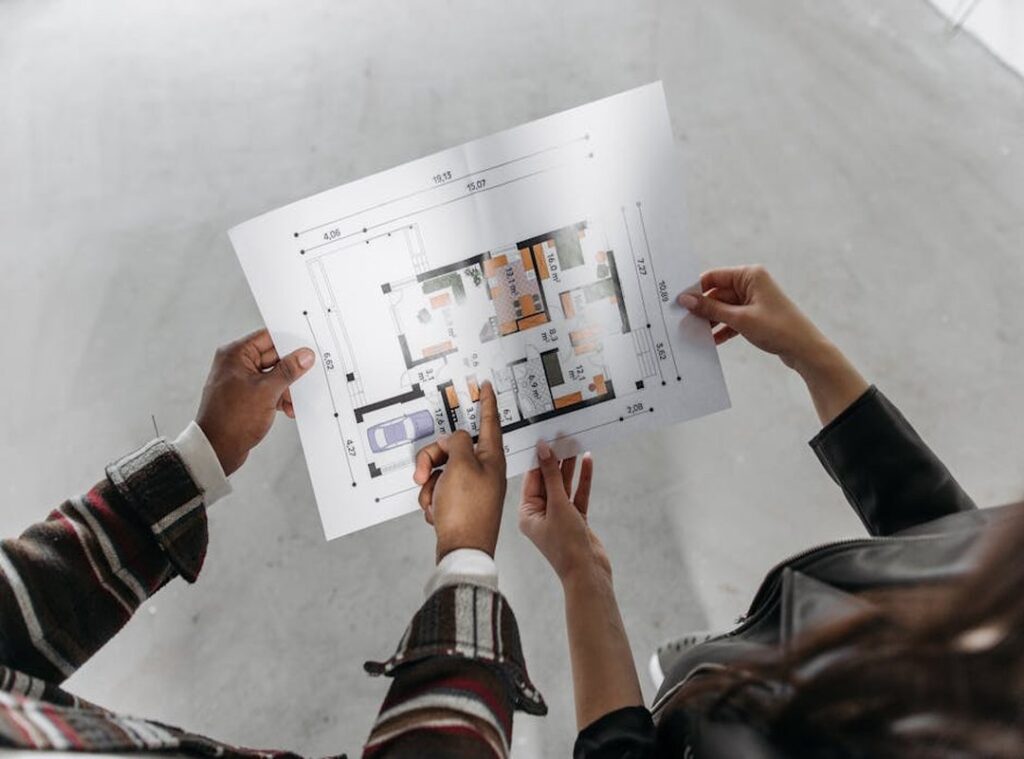
I’ve picked through hundreds of house plans. Some were brilliant. Most were garbage.
You’re not lazy for feeling overwhelmed. You’re smart. Good house plans are hard to find.
Who has the best house plans Drhinteriorly?
That’s the question you keep typing into Google. And getting zero real answers.
This isn’t another list of “top 10 sites” with stock photos and vague promises.
I’m telling you who actually delivers clean, buildable, thoughtful designs (and) who just slaps pretty pictures on a website.
You’ll learn what makes a plan work in real life (not just look good online). Things like ceiling heights that don’t feel like a coffin. Windows placed where light actually lands.
Stairs that don’t eat your entire first floor.
No fluff. No fake comparisons. Just what I’ve seen work (and) what’s wasted my time (and money).
You’ll walk away knowing exactly where to go next.
And more importantly (what) to ignore.
What “Best” Really Means for Your House Plan
Who Has the Best House Plans Drhinteriorly? I don’t know. And neither do you.
Not yet.
“Best” means nothing until you say what you need. Not your neighbor. Not a Pinterest board.
You.
I’ve seen people pick plans based on square footage alone. Then they move in and hate the kitchen layout. Or the hallway feels like a tunnel.
Or the master bedroom faces the street. (Yeah, that happens.)
Functionality comes first. Can you cook, eat, and live without bumping into each other?
Aesthetics matter (but) only if they don’t cost you function. A fancy facade won’t fix a cramped laundry room.
Budget-friendliness isn’t about cutting corners. It’s about avoiding costly changes later. Like moving a wall after framing starts.
Adaptability? That’s code for “will this still work in five years?”
You planning kids? Aging parents?
A home office that won’t feel like a closet?
Discover the top house plans that stand out for their design and functionality at Drhinteriorly.
Think about your actual life. Do you host dinners? Work from home?
Need space to breathe?
Family size changes. Routines shift. Your house plan should bend (not) break.
Lot size and local codes? Nail those down before you fall in love with a plan. Because no amount of love fixes a 30-foot setback violation.
Ask yourself: What part of my day feels hardest right now?
That’s where your plan should start.
Where to Find House Plans That Won’t Make You Miserable
I started with online plan services. They’ve got thousands of plans. You pick one, pay $500. $2,000, and get PDFs in your inbox.
But here’s the thing: most are cookie-cutter. You can tweak walls or windows (but) not the foundation, roofline, or site layout. (And good luck getting a real person on the phone when the garage door won’t fit.)
Architects? They design from scratch. You tell them your weird hillside lot, your obsession with natural light, your dog’s need for a mudroom (and) they draw it.
Cost? $5,000 to $25,000+. Worth it if you hate compromises.
Custom home builders often have their own plan library. Some let you swap kitchens or bump out a bedroom (no) redraw fee. Others just slap your name on a plan they’ve used six times before.
Local building designers sit in the middle. They’re licensed but not full architects. Semi-custom plans.
Faster turnaround. Less expensive.
Who Has the Best House Plans Drhinteriorly? I don’t know. But I do know this: the “best” plan is the one that fits your land, your budget, and your actual life (not) some glossy rendering.
You want open shelving? A first-floor bedroom? A workshop bigger than your living room?
Then skip the top-10 lists. Go talk to someone who’s held a framing square.
What Actually Makes a House Plan Work
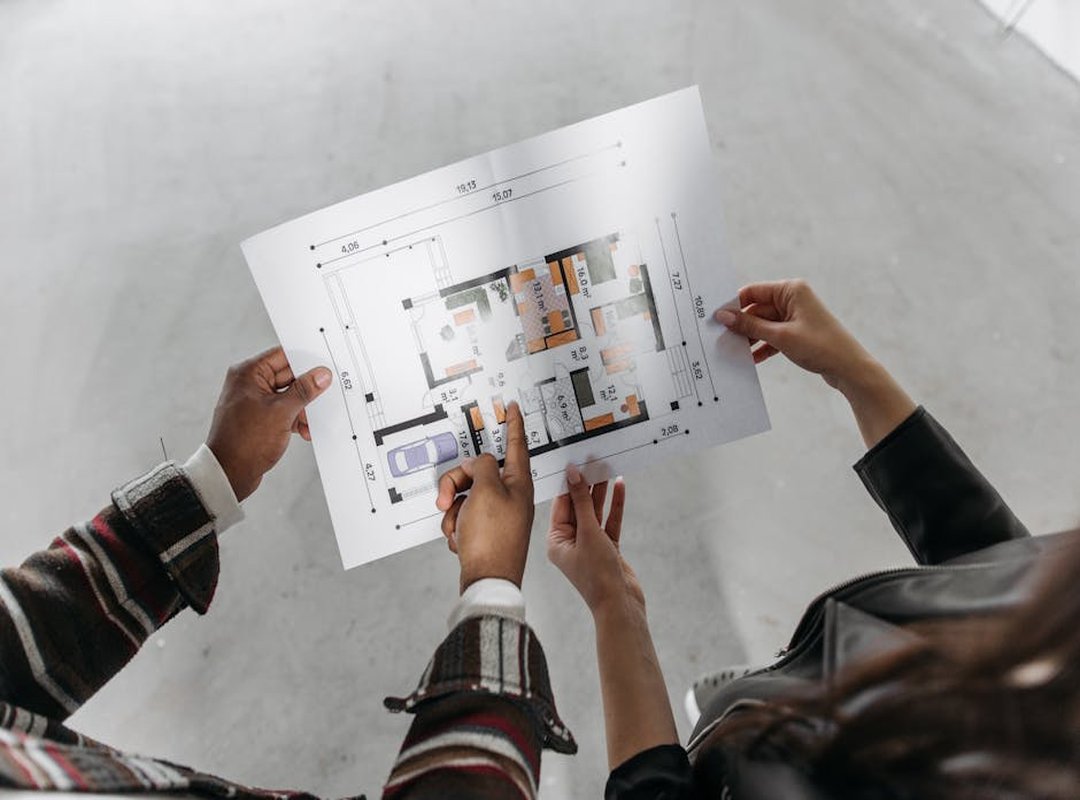
I drew my first house plan on napkins at a diner.
It had zero storage and windows facing a brick wall.
Choosing the right design can be overwhelming, so it’s essential to explore resources like How to Decide on House Plans Drhinteriorly for guidance.
Bad layout kills a home before it’s built. You walk into a room and think why does this feel off. That’s bad flow.
Clear room layouts mean you don’t trip over furniture or wonder where the door is.
Natural light isn’t just pretty. I lived in a house with east-facing windows only. Mornings were bright.
Afternoons? Dark and cold. That’s wasted energy and sour moods.
Storage hides the mess. Laundry near bedrooms saves steps. Kitchens need space to move.
Not just look good in photos.
Flexibility matters. My cousin added a bedroom later. The plan had no attic access.
She tore up half the roof.
Energy efficiency starts with design. Not just solar panels. Thick walls, smart window placement, orientation to the sun.
All baked in early.
Who Has the Best House Plans Drhinteriorly? That depends on what you actually need. I found How to decide on house plans drhinteriorly helped me stop chasing trends and start asking real questions.
Like: Do I want stairs here? Or do I hate climbing them? Yeah.
That one.
What’s Coming Next for House Plan Buyers
I watch people scroll through plan sites like they’re swiping on a dating app. They pick by thumbnail. Then panic when the foundation details don’t match their lot.
You’ll see more AI-assisted customization soon. Not full design (but) real-time tweaks to room sizes or window placements while you browse. It’ll be useful.
And it’ll also hide how much you still need a pro to sign off on.
For a wide variety of innovative designs, consider exploring the house plans offered by Drhinteriorly to find your perfect home.
Builders are pushing back on “off-the-shelf” plans harder than ever. Permit offices? Even stricter.
One wrong beam call and your whole timeline stalls.
So what do you do now?
- Filter by actual needs (not) just style. Does “rustic farmhouse” include a walk-in pantry?
Or just a picture of one? 2. Read the oldest reviews. The ones with photos of the built house (not) the glossy renderings. 3.
Ask: “What’s not in this package?” Foundation? Electrical? HVAC layout?
If it’s not listed, it’s extra.
Order a study set first. It’s cheaper. You’ll spot weird ceiling heights or cramped hallways before you pay for full construction docs.
Who Has the Best House Plans Drhinteriorly? That’s not a Google question anymore. It’s a “who actually answers the phone and fixes the PDF error at 4 p.m. on Friday” question. Drhinteriorly handles those calls.
I’ve seen it.
Stop Scrolling. Start Building.
I’ve been there. Staring at hundreds of house plans, feeling paralyzed by choice. You want a home that fits your life.
Not some generic template sold as “the best.”
Who Has the Best House Plans Drhinteriorly? That’s the wrong question. The real question is: *What works for you (right) now.
With your lot, your budget, your family, your builder?*
This guide cut through the noise. No more guessing. No more wasting hours on plans that won’t fit your foundation or your finances.
You already know what hurts: too many options, zero direction. So here’s what to do today: grab a notebook and write down your non-negotiables. Not dreams.
Not “someday” stuff. Real things. Like “must fit on a 50-foot lot” or “no stairs for aging parents.”
Then set a hard budget number (not) a range. A number.
Once that’s done, then start browsing. And when you land on two or three favorites? Call a local builder.
Not tomorrow. Not next week. Call them before you fall in love with a plan that can’t be built where you live.
They’ll tell you what’s realistic. What’s costly. What’s actually doable.
You don’t need more plans. You need clarity. You need action.
So close this tab. Open your notes app. Write your list.
Now.
