
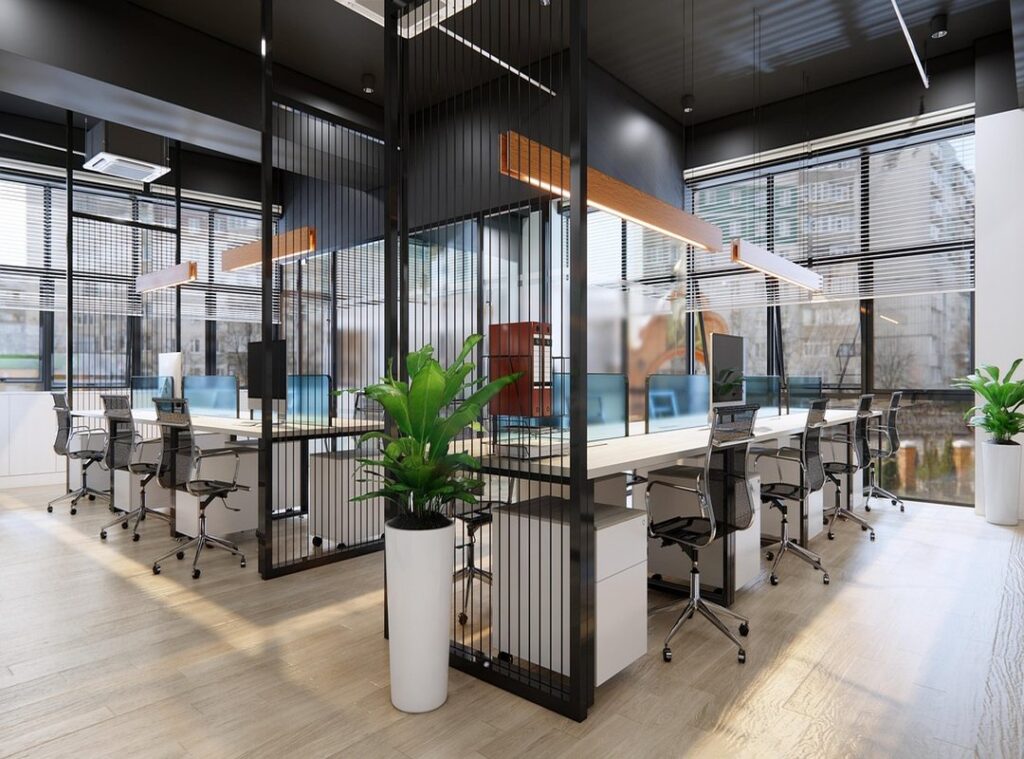
Open layout areas look great, but they can feel like a maze sometimes, right? How do you make these vast spaces cozy and functional instead of just one big, undefined room?
I get it; it’s not easy to create a cohesive vibe in open concept spaces. You want style, but you also want comfort and practicality.
I’ve seen countless homes struggle with this. They start off looking trendy but end up feeling chaotic. I want to help you avoid that.
In this article, I’ll share actionable strategies and takeaways that you can apply to your own home.
We’ll explore design solutions that make your space feel inviting while still being stylish. You’ll learn how to integrate personal touches into those large areas so they truly reflect who you are.
Trust me, with the right approach, you can turn any open layout into a warm, welcoming environment.
Let’s dive in and transform your home into the comfortable, stylish space you’ve always wanted.
Open Layout Areas: Breaking Down Walls
Open concept spaces (ever) wondered why they’re all the rage? They’re about stripping away walls in common areas like the kitchen, dining, and living rooms to create a smooth flow. This design trend took off mid-20th century when folks started valuing connected living over isolated rooms. It’s not just about knocking down barriers; it’s about boosting interaction and flexibility in our homes.
Historically, we used to live in tight, boxed-in rooms. But then, life happened, and we craved more openness. The shift to open layouts was inevitable.
Think of combinations like kitchen-dining, living-dining, or the classic great room merging all three. These aren’t just spaces; they’re lifestyle statements. They encourage us to mix and mingle, making our homes both practical and social hubs.
Who doesn’t want more natural light flooding in or the illusion of a bigger space? It’s like living in a modern sitcom set, where every turn leads to another lively spot.
Who knew tearing down a few walls could lead to such freedom? It’s liberating, really. Your home, your rules.
Open Living: Bright Side & Challenges
Open concept spaces. Love them or hate them, they’re here to stay. First, the good stuff.
Open layouts make it so easy for everyone to mingle. Whether it’s family or guests, people flow naturally from room to room. And let’s talk about light.
Open spaces bask in it, making your house feel brighter and more welcoming.
Plus, you can get creative with how you arrange your space. Furniture can be reconfigured depending on your needs. The possibilities are practically endless.
But there’s more. The perception of extra space is huge. Even a small home feels roomy when there are no walls blocking your view.
Now, the not-so-great parts. Privacy? Forget about it.
Both visually and sound-wise, you’re exposed. Everything seems louder without walls to muffle the noise. Temperature control can also be a nightmare.
Try heating or cooling a big open area evenly.
And don’t get me started on defining zones. Without walls, it all blends together, which can feel undefined. Lastly, clutter is always on display.
No hiding your mess here! If you’re curious how to get through these challenges, this guide offers some takeaways. It’s all about balance and making the space work for you.
Smart Design Strategies – Nailing Your Open Layout
Visual zoning in open concept spaces is a game-changer. I love using area rugs to carve out zones. They ground the space and clearly mark living from dining.
You ever notice how a good rug just pulls a room together? It’s magic.
Furniture placement is your secret weapon. Use the back of a sofa or a console table to hint at separations without walls. Ever thought a low bookshelf could act as a divider?
It’s clever. And let’s not forget lighting. Pendant lights over dining tables and floor lamps in living spaces create distinct vibes.
Want subtle separations? Shifts in wall color or an accent wallpaper work wonders. No harsh contrasts.
Just enough to make you pause and notice.
Creating cohesion across an open space is key. You want flow, right? Keep pathways clear and furniture scaled to fit the whole area, not just zones.
And repeating colors or textures? That’s the glue holding it all together. Check out how minimalism art less home design can inspire this cohesive vibe.
Honestly, these strategies are about harmony. An open space should feel connected yet distinct. Done right, it’s a sanctuary.
Making Open Layouts Liveable & Cozy
Open concept spaces are all the rage, but they can be tricky to tame. Let’s start with sound. Soft furnishings (think) thick carpets, drapes, upholstered furniture.
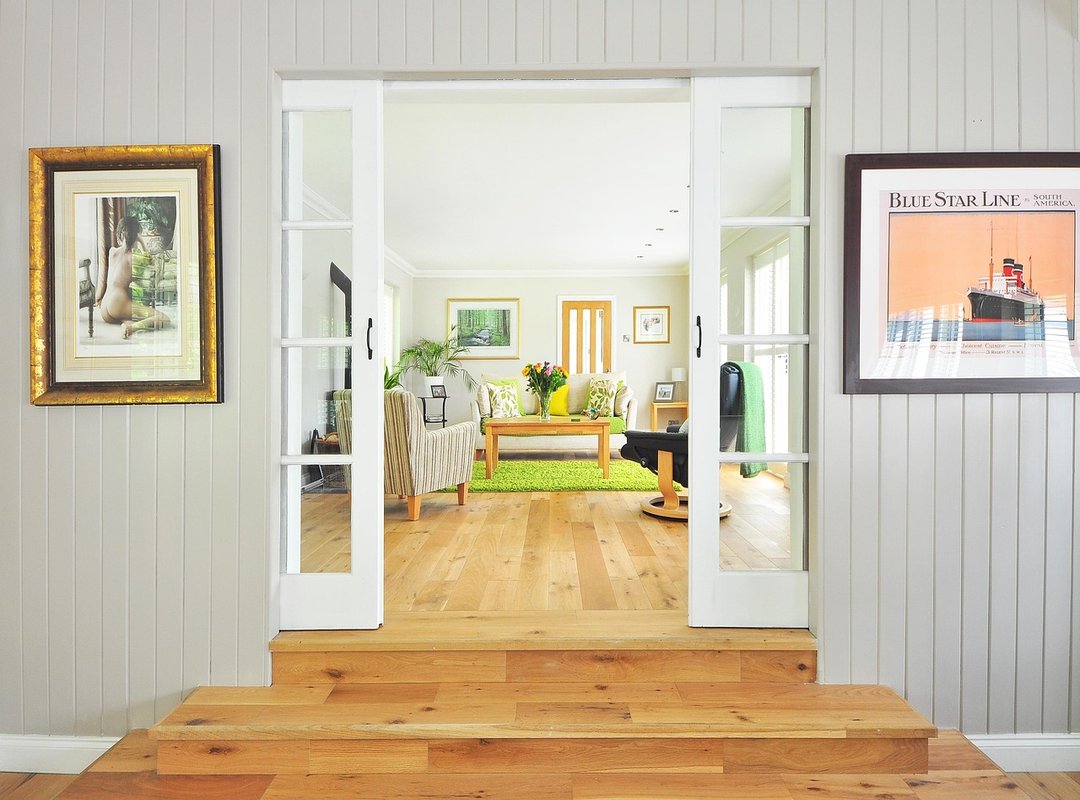
Absorb noise and reduce echo. If you want something that doubles as art, try decorative acoustic panels. How about furniture?
Strategically place items to naturally block sound, keeping quieter activities away from noise.
Now, let’s tackle temperature and lighting. Smart thermostats or ceiling fans can improve your comfort. Layered lighting is a game-changer.
Ambient, task, and accent lights make it easy to set the mood and explain different areas. Versatile window treatments like blinds or sheer curtains help control light, privacy, and insulation.
Personalization is key, but clutter? Not so much. Create dedicated spaces for personal items and art to add character without chaos.
Integrated storage solutions like built-ins or furniture with hidden compartments are your secret weapons against visible clutter.
Also, don’t let anyone tell you open spaces are outdated. Sure, some say open living rooms are out (3) layouts, but they’re timeless if done right. Want a pro tip?
Mix textures and materials for a cozier feel. Open spaces are here to stay, just make them liveable and cozy.
Open Layout Blunders: What to Dodge
In open concept spaces, it’s easy to over-accessorize. Ever walked into a room that felt like a furniture store? Don’t let that be you.
Less is more when it comes to decor (leave) room to breathe.
Another common misstep? Ignoring sound dynamics. Without sound-absorbing features, an echoey room quickly becomes a noisy nightmare.
Who wants to feel like they’re living in a concert hall?
Cohesion is key. If each area feels like it’s from a different planet, the whole space loses unity. A consistent theme ties it all together. And, please, plan your lighting.
Storage is your friend. Without it, clutter becomes an unwanted guest. In open spaces, every item is on display, so stash it smartly.
One overhead light for a large area is like lighting a stadium with a flashlight. Ambient and task lighting create layers and depth.
Finally, carve out a small ‘me’ nook. An open layout doesn’t mean you can’t have a quiet corner. We all need a bit of solitude now and then.
Bringing Your Vision to Life
I hope this guide has given you some solid strategies to tackle your open concept spaces. The challenge of making vast areas feel cozy and functional is real. But it’s doable.
You just need to think about design, zoning, and practical concerns like storage and sound.
Now, you should take these takeaways and play around with them in your home. Experiment with different layouts and elements. You might be surprised by what works.
Feeling stuck? Dive deeper into the design world. Check out Mrshomext.com for more tips and inspiration.
You deserve a space that matches your lifestyle. Don’t wait. Start creating your ideal open-concept home today.
Your perfect space is just a few decisions away.