
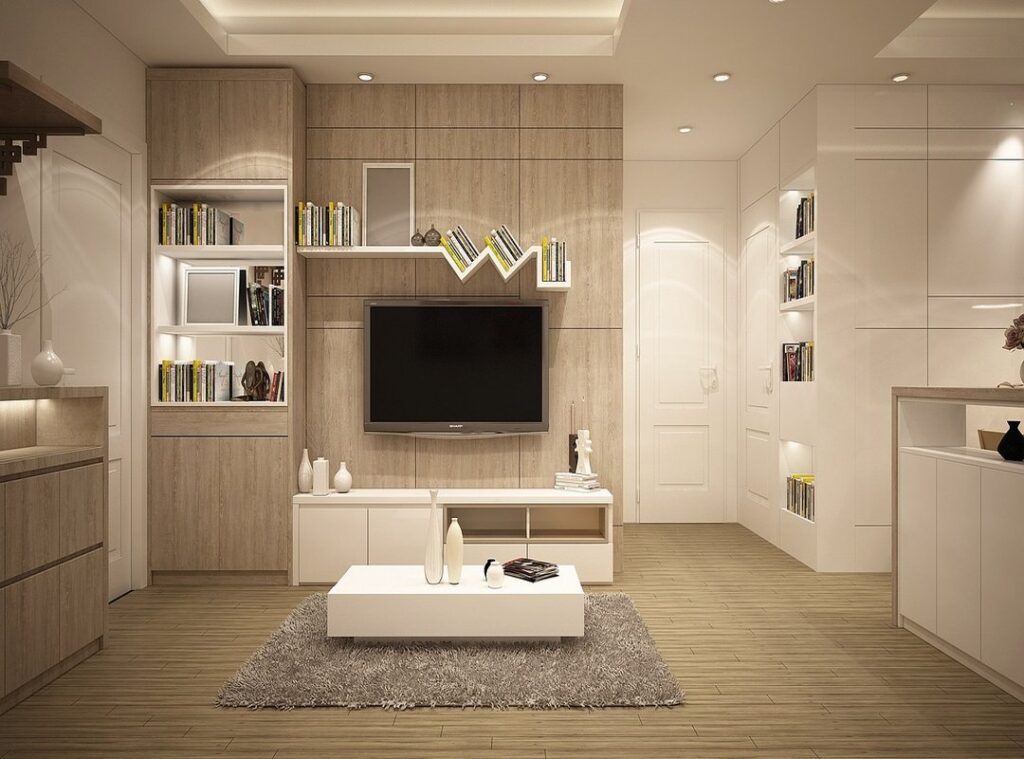
Many of us crave a peaceful, functional home but feel overwhelmed by clutter and flashy design trends. I get it. You might think creating a serene space is complicated or even too expensive.
But I’m here to tell you it doesn’t have to be that way.
In my experience, achieving a simple home design is not just possible but practical. You don’t need to sacrifice your style to create a livable, beautiful environment.
This guide will help you cut through the noise. I will break down the principles of minimalism home design into straightforward, manageable steps.
You’ll find that designing a space that reflects who you are can actually be simple and enjoyable.
I’ve spent years studying contemporary design and practical solutions that prioritize comfort and sustainability. So, you can trust that the strategies I share are rooted in real-world experience.
Together, we’re going to demystify the process of creating a home that looks good but feels good too. Let’s dive in and get started on your journey to a refreshing living space.
Simple Home Design: Beyond Minimalism
Simple home design gets a bad rap. People think it’s all about bare walls and sterile spaces, but that’s not the case. It’s about intentionality, functionality, and tranquility.
It isn’t just throwing out your stuff. It’s about thoughtful curation. What do you need?
What makes you feel good? It’s about keeping things that serve a purpose or bring joy.
Sure, you might say that sounds a bit like the tenets of minimalism home design, but it’s more than that. It’s about clarity of purpose. Not just limiting possessions for the sake of it.
Simple design embraces quality over quantity. Natural elements play a big part too. Think plants, natural light, and comforting textures.
These aren’t just aesthetic choices. They’re mood influencers.
Some folks worry that simplicity means losing personal style. I say it enhances it. Strip back the noise and your unique taste shines.
Whether you lean Scandinavian, Japandi, or even a modern farmhouse vibe, simple design principles fit them all. They aren’t identical, but they share core values.
And if you’re eyeing open concept living spaces, these ideas fit perfectly. They’re about creating spaces that breathe, spaces that feel like home. Not just a picture in a magazine. Simple home design isn’t about less; it’s about more of what matters.
Simplified Aesthetic: Core Pillars for Your Home
When it comes to minimalism home design, a cohesive color palette is your best friend. Ever notice how whites, grays, and beiges set the perfect calming foundation? These neutral bases create a peaceful backdrop while allowing accent colors to pop.
It’s like the canvas for your life (but less messy).
Furniture selection is another biggie. Clean lines and multi-functional pieces are not just buzzwords; they’re essentials. Why clutter a room with items that don’t serve a purpose?
Choose furniture that contributes to the room’s flow and comfort. Trust me, your space will thank you.
Lighting is your secret weapon. Maximize natural light with smart window treatments and mirrors. And for those darker corners, layered artificial lighting (ambient,) task, and accent (works) wonders.
It creates mood and functionality, turning your space from drab to fab.
Material matters too. Natural textures like wood, linen, and stone bring warmth and durability. They’re not just pretty but practical, offering a connection to nature without the upkeep of high-maintenance materials.
It’s a win-win.
Combine these elements, and you’ve got yourself a harmonious and aesthetically pleasing environment. It’s not about filling a room, but about creating a space that breathes. Simple, right?
Now go make your home the sanctuary it deserves to be.
Decluttering for Clarity: Important Steps
Decluttering isn’t about tossing everything out. It’s about shifting from hoarding to thoughtfully curating. Do you really use all that stuff?
I doubt it. The key is to focus on keeping what truly matters. Think of it as crafting a collection, not just a pile.
Let’s get practical. You know the “one in, one out” rule? It’s golden.
For every new item, something old has to go. Simple math for a simpler life. And don’t we all secretly know we use only 20% of our possessions 80% of the time?
Identify that 20% and spotlight it.
For storage that doesn’t scream “I’m hiding junk,” try vertical shelving or smart modular systems. These options blend seamlessly into decor. You can use baskets and bins to tuck things away neatly (and avoid that dreaded cluttered look).
Now, let’s talk zones. The living room: tackle those cables and rogue remotes. In the kitchen, countertops should be clear.
Why? More space equals less stress. The bedroom is your sanctuary, so keep it that way by decluttering nightstands and closets.
Oh, and don’t forget digital clutter. It’s just as distracting as physical mess. Free up space on your devices for mental clarity.
Ready for more? Check a guide to creating a minimalist home for deeper dives into minimalism home design. So, what’s stopping you from starting today?
Design Flow: Zone Planning and Beyond
Ever walked into a room and felt… cramped? zone planning comes in. You define specific areas for activities like reading or working. It’s about making each corner count.

A reading nook here, a work-from-home spot there. You create a functional, inviting space.
Traffic flow is another beast. You want clear pathways, no tripping over furniture. It’s all about smooth movement.
You shouldn’t have to dodge a coffee table like you’re in an obstacle course.
Furniture arrangement matters too. Place pieces to support activities and encourage circulation. Got a couch?
Face it toward the conversation area. Don’t just dump it in a corner. Think about ergonomics.
Choose furniture that fits your body and daily routines. Comfort isn’t a luxury; it’s a necessity.
And let’s talk transitions. Smooth ones. Use consistent color palettes or flooring.
Spaces should visually and functionally flow. Even small areas can feel expansive with smart layouts. Minimalism home design thrives on this principle.
It’s all about creating a purposeful, spacious vibe. Who doesn’t want that?
Make Minimalism Yours: Personal Touches That Matter
Minimalism home design can sometimes feel like living in a chic but uninviting art gallery. But let’s fix that. You don’t need a million trinkets to make a space feel personal.
Focus on a few meaningful pieces. Maybe it’s that photo from your last vacation or a quirky vase that sparks a memory. These things tell your story without overwhelming your space.
Add some greenery. Plants bring life and breathe literal fresh air into your home. It’s amazing how a splash of green can change a room’s vibe.
Textiles work wonders too. Throws and cushions? They’re not just for comfort.
They add warmth and pattern without cluttering.
And don’t forget the senses. A subtle scent from important oils or the hum of a quiet fan can make a home inviting. Curious how color affects mood?
Check out this Color Psychology Interior Design guide. It’s fascinating!
Create Your Peaceful Home Oasis
You’ve got the tools to change your living space. This article gave you a solid guide on minimalism home design. You wanted to turn chaos into calm, and now you can.
Simplicity is not about losing things; it’s about making intentional choices that matter.
Start with one tip today. Declutter a corner or rethink your furniture layout. I promise these small changes will lead to a more serene environment.
Feeling overwhelmed? Revisit the sections that caught your eye. Dig deeper into the ideas that connect with you.
Take action now. Your peaceful home awaits. This is your chance to create a space that inspires.
What are you waiting for?
