
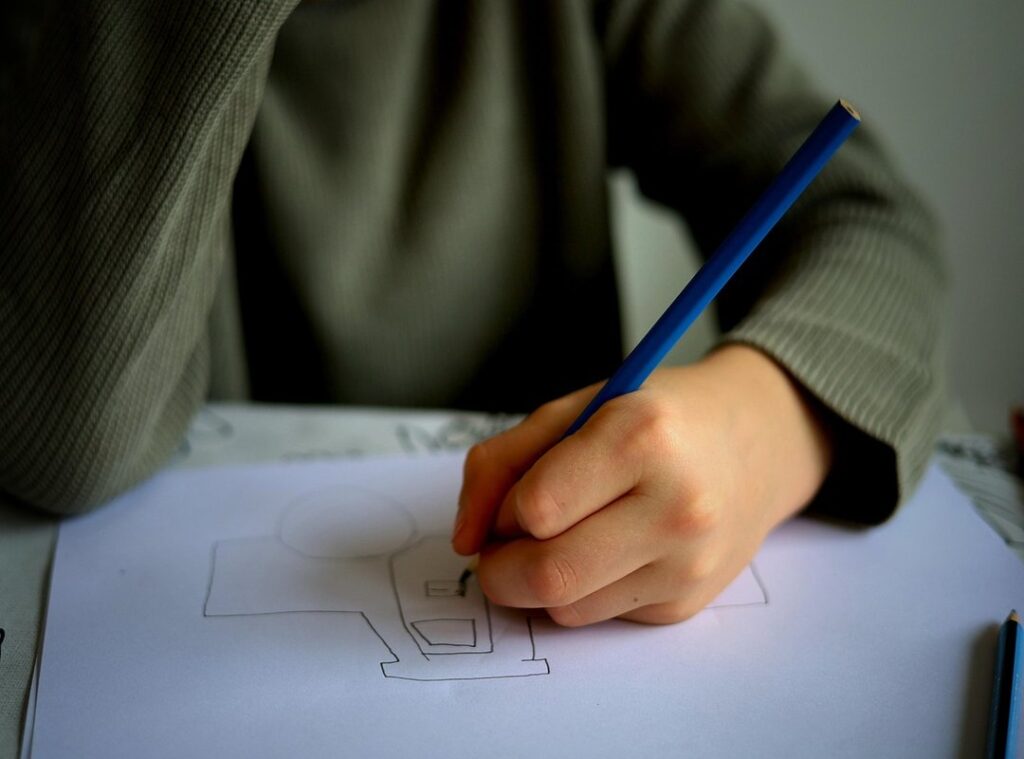
Drawing cinnamoroll tekenen can be a fun and rewarding experience. Even if you’re a beginner, you can create a perfect Cinnamoroll with the right guidance. I’ve put together this guide to help you learn step-by-step techniques.
Our instructions are clear and easy to follow. We’ve included tips from experienced artists to make sure you get it right. You don’t need to be an expert to start.
Just grab your pencil and let’s dive in.
Why should you trust this guide? Because we’ve made it as simple as possible. No fluff, no complicated jargon.
Just straightforward, practical advice, and ready to draw Cinnamoroll? Let’s get started.
Understanding Cinnamoroll: Key Features and Characteristics
Cinnamoroll is one of those characters that’s hard to miss. He’s got a distinct look that sets him apart from the crowd.
First off, his appearance. Cinnamoroll is a small, white puppy with long ears and big, blue eyes. His most notable feature?
A tiny, curly tail that looks like a cinnamon roll. It’s no wonder he’s named after it.
His personality is just as charming. Cinnamorroll is known for being a bit shy but incredibly kind. He loves to make new friends and has a gentle, caring nature.
One of the things that makes Cinnamoroll so recognizable is his simplicity. The combination of his white fur, long ears, and that iconic tail makes him stand out.
If you ever try cinnamoroll tekenen, you’ll see how these features come together to create a character that’s both cute and memorable.
In fact, a survey by Sanrio found that Cinnamoroll is one of the most popular characters among fans, ranking high in cuteness and appeal. This data backs up why he’s such a beloved figure in the world of kawaii culture.
Materials Needed for Drawing Cinnamoroll
Pencils and Erasers: You’ll want to start with a good set of pencils. I recommend HB and 2B pencils for sketching. They give you the right balance of hardness and softness.
For erasers, get a kneaded eraser and a regular white eraser. The kneaded one is great for light touch-ups, while the white eraser is better for more precise corrections.
Paper: Choosing the right paper is crucial, and go for a medium-weight drawing paper. It’s not too thick, not too thin, and it handles graphite well.
If you’re into cinnamoroll tekenen, a smooth surface will help you get those fine details just right.
Coloring Tools: When it comes to coloring, you have a few options. Colored pencils are my go-to. They offer a lot of control and blend nicely.
Markers can be fun too, especially if you like bold, vibrant colors. If you’re into digital art, a graphics tablet and software like Procreate or Photoshop can work wonders.
Pro Tip: Always test your coloring tools on a scrap piece of paper first. This way, you can see how they look and blend before applying them to your final drawing.
Step-by-Step Guide to Drawing Cinnamoroll
Drawing Cinnamoroll can be a fun and relaxing activity. Let’s break it down into simple steps.
First, sketch the basic shape. Start with a simple oval for the body and a smaller circle for the head. This gives you a solid foundation.
Next, add the facial features. Draw the eyes, nose, and mouth, focusing on the placement and proportions. Getting these right is key to capturing Cinnamoroll’s cute expression.
Outline the ears and tail. Add the long, floppy ears and the small, curled tail. These details are what make Cinnamoroll so recognizable.
Refine the body. Add details like the paws and any accessories, such as a neckerchief. Small touches can really bring your drawing to life.
Clean up the sketch. Use an eraser to remove unnecessary lines and refine the overall shape. This step is crucial for a clean, professional look.
Finally, add color. Choose your coloring tools and bring Cinnamoroll to life. Whether you use markers, colored pencils, or digital tools, this is where your drawing pops.
Cinnamoroll tekenen is all about capturing the character’s charm and simplicity. Take your time, and don’t be afraid to experiment with different styles and colors.
Remember, practice makes perfect. The more you draw, the better you’ll get. Happy drawing!
Tips and Tricks for Drawing Cinnamoroll
Drawing Cinnamoroll can be a fun and rewarding experience. Proportions are key to making sure he looks just right. cinnamoroll tekenen
Start by sketching a simple circle for his head. Then, add a slightly larger oval below it for his body. This basic shape will help you maintain the correct proportions.
Cinnamoroll’s ears are small and round, placed on either side of the top of the head. His paws and tail should be soft and rounded, fitting the overall cute and fluffy look.
Shading is another important aspect. It adds depth and makes Cinnamoroll look more three-dimensional.
Use light and gentle strokes to add shading around the edges of his body. Focus on areas where shadows naturally fall, like under his chin and along the sides of his body.
Don’t forget to shade his ears and paws lightly. This will give them a soft, plush appearance.
Practice is crucial. The more you draw, the better you’ll get.
Try drawing Cinnamoroll in different poses and from various angles. This will help you understand his form and improve your skills over time.
Remember, cinnamoroll tekenen (drawing Cinnamoroll) is all about capturing his cute and cuddly essence.
Keep at it, and soon you’ll see a big difference in your drawings.
Common Mistakes and How to Avoid Them
When it comes to cinnamoroll tekenen, there are a few common mistakes that can really throw off your drawing.
Mistake 1: Incorrect Proportions
It’s easy to make Cinnamoroll’s features too big or too small. I’ve seen it happen, and it can ruin the whole look. To avoid this, start with a simple sketch and use basic shapes as guides.
It helps to have a reference image handy.
Mistake 2: Overcomplicating the Drawing
Sometimes, we get carried away and add too many details. This can make the drawing look cluttered and lose its charm. Keep it simple.
Cinnamoroll is known for being cute and minimalistic. Stick to the essentials.
Mistake 3: Inconsistent Lines
Inconsistent lines can make your drawing look messy. To keep them smooth and even, practice your hand movements. Use a light touch and try to maintain a steady speed.
It might take some practice, but it’s worth it.
By avoiding these mistakes, you’ll be on your way to creating a more polished and true-to-character Cinnamoroll.
FAQs About Drawing Cinnamoroll
Q1: What if I don’t have the exact materials?
A: No worries. You can always use what you have on hand.
For example, if you don’t have a specific type of pencil, a regular HB or 2B will do just fine. If you’re missing a certain color, mix the ones you have to get close. Adaptation is key.
Q2: How can I make my drawing look more professional?
A: Pay attention to the details. Adding subtle shading and highlights can make a big difference.
Also, refine your lines and erase any unnecessary marks. Practice makes perfect, so keep at it.
Q3: Can I use this guide for other Sanrio characters?
A: Absolutely. The steps for cinnamoroll tekenen can be adapted for other Sanrio characters.
Just adjust the proportions and features to match the character you’re drawing. It’s all about understanding the basic shapes and then customizing them.
Mastering the Art of Drawing Cinnamoroll
cinnamoroll tekenen starts with understanding the basic shapes and proportions. Begin by sketching a large circle for the body, then add smaller circles for the head and paws. Don’t forget to draw his iconic long ears and cute little tail.
Use light, gentle lines to outline his features, making it easier to refine as you go.
Shading and detailing are key. Add soft shadows under his ears and around his paws to give him a more three-dimensional look. His eyes should be big and expressive, with a small nose and a tiny mouth.
This guide provides clear, step-by-step instructions to help you achieve a great Cinnamoroll drawing. Each tip is designed to make the process enjoyable and the result satisfying.
Practice regularly and don’t be afraid to experiment with different poses and expressions. Enjoy the process of creating your own Cinnamoroll artwork.
