
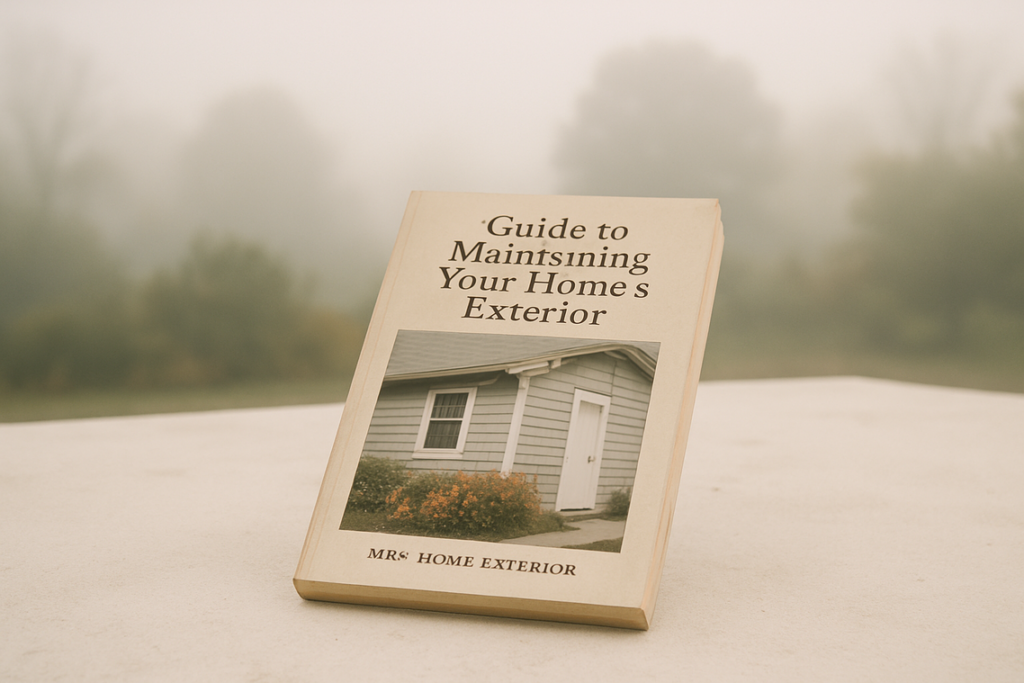
I’ve seen too many homeowners ignore their exteriors until something breaks or the paint starts peeling off in sheets.
You’re probably here because you know your home’s exterior needs attention but you’re not sure where to start. Maybe you’re worried about making the wrong choices or wasting money on things that don’t matter.
Here’s the truth: most exterior problems start small and get expensive fast when you wait. And the design decisions? They’re simpler than you think once you know what actually works.
I put together this home exterior guide mrshomext to give you a clear path forward. Not just maintenance tasks but real improvements that make your home look better and last longer.
The advice here comes from years of working on exterior renovations. I’ve seen what holds up and what fails. I know which projects protect your investment and which ones just look good in photos.
You’ll get a checklist for the maintenance you can’t skip. Plus a straightforward strategy for design choices that fit your style without the guesswork.
No overwhelming lists of everything you could possibly do. Just what matters for keeping your home in good shape and making it look the way you want.
The Foundation of a Great Exterior: A Proactive Maintenance Checklist
You can’t build something beautiful on a broken foundation.
I see homeowners all the time who want to jump straight into design upgrades. New colors, modern fixtures, the whole works. But when I walk around their property, I spot problems that’ll eat through those upgrades in a year or two.
Some people say maintenance is boring. That it’s just throwing money at problems that aren’t even visible yet. Why fix what isn’t broken, right?
Here’s where I disagree.
A healthy exterior isn’t just about avoiding disasters. It’s what makes your design choices actually last. That fresh paint job you’re planning? It’ll peel in six months if the siding underneath is compromised.
Seasonal Roof & Gutter Inspection
Start at the top and work your way down.
I check my roof twice a year (spring and fall work best). You’re looking for missing or curled shingles, damaged flashing around chimneys and vents, and any spots where granules are wearing thin.
But here’s what most people miss. Your gutters matter just as much as your roof.
Clogged gutters send water cascading down your siding and pooling at your foundation. I’ve seen this cause thousands in damage that could’ve been prevented with a ladder and thirty minutes of work.
Clear them out. Make sure downspouts direct water at least six feet away from your foundation.
Siding, Trim, and Paint Assessment
Walk your perimeter with a critical eye.
Cracking, peeling, or chalking paint tells you moisture is getting where it shouldn’t. Run your hand along the siding (it’ll feel powdery if it’s chalking). Check trim boards for soft spots that might indicate rot.
For cleaning, I use a garden hose and mild soap for most situations. Pressure washers work, but keep the PSI under 1500 and the nozzle at least 12 inches away. Too much pressure drives water behind your siding.
When do you need a new coat? If more than 10% of a surface is peeling or if the color has faded significantly, it’s time. Touch-ups only work when the damage is minimal.
The home exterior tips mrshomext approach focuses on catching these issues early.
Windows, Doors, and Sealants
This is where energy efficiency lives or dies.
On a windy day, hold your hand near window and door frames. Feel a draft? Your sealant has failed. Check the caulk around all openings. If it’s cracked, pulling away, or missing entirely, you’re letting conditioned air out and moisture in.
I replace exterior caulk every three to five years as a rule. It’s cheap insurance against water infiltration that can rot your framing before you even know there’s a problem.
Well-sealed openings do double duty. They cut your heating and cooling costs while protecting the structure from the kind of moisture damage that requires serious money to fix.
High-Impact, Low-Effort Design: Quick Wins for Instant Curb Appeal
You don’t need a complete renovation to make your home look better from the street.
I’m talking about changes you can make in a weekend. Maybe even an afternoon.
The truth is, most homeowners overthink this. They see a house that needs work and assume it’ll take months and thousands of dollars to fix. So they do nothing.
But that’s not how curb appeal works.
Some people argue that small changes don’t matter. They say if you’re going to invest in your home’s exterior, you should go big or go home. Tear out the landscaping. Replace the siding. Do it all at once.
Here’s why I disagree.
Those small changes add up faster than you think. And more importantly, they give you results you can see right away. That matters when you’re trying to decide if you want to keep going.
I’ve helped plenty of homeowners transform their exteriors, and the ones who succeed start with quick wins. Once they see what’s possible, they get excited about the bigger projects.
Let me walk you through the changes that make the biggest difference for the least effort.
The Front Door Makes or Breaks Everything
Your front door is the first thing people notice.
Not your landscaping. Not your siding. Your door.
A fresh coat of paint changes everything. I’ve seen homes go from forgettable to striking with nothing but a new door color.
The trick is picking the right one. You want something that works with your home’s existing colors but still stands out. If your house is mostly neutral (think gray, beige, or white), you’ve got options. Deep blues work well. So do rich greens or even a bold red.
Warmer exteriors like brick or tan? Try a darker shade that creates contrast without clashing.
You can grab a quart of exterior paint for under $20 and finish the job in a few hours. That’s about as low-effort as it gets.
Hardware Updates That Actually Matter
Here’s what nobody tells you about hardware.
When it’s outdated, people notice. When it’s updated, they just think your house looks good. They can’t always explain why.
I’m talking about house numbers, mailboxes, door handles, and light fixtures. The stuff you walk past every day without thinking about.
Swap out those brass fixtures from 1995 for something cleaner. Matte black works with almost everything. So does brushed nickel if you want something a bit softer.
The key is keeping it consistent. Don’t mix finishes unless you really know what you’re doing (and honestly, most of us don’t).
You can find modern house numbers for $30. A new mailbox runs about $50. Light fixtures vary, but you can get solid options for under $100.
The whole upgrade might cost you $200 and take an hour to install.
Creating Balance Without Overthinking It
Symmetry sounds like a design school concept, but it’s simpler than that.
Your brain likes things that feel balanced. When an entryway looks lopsided, something feels off even if you can’t pinpoint what.
The fix is straightforward. Match things on both sides of your door.
Two planters with the same plants. Two sconces flanking the entrance. Even a bench on one side balanced by a large planter on the other.
This doesn’t mean everything has to be identical. It just needs to feel intentional.
I’ve seen people stress about this for weeks. Don’t. Get two matching planters, fill them with the same greenery, and put one on each side of your door. You’re done.
If you want to go a step further, the home exterior guide mrshomext covers more ways to think about balance without making it complicated.
Hiding What Doesn’t Need to Be Seen
Air conditioning units are ugly. So are trash cans and utility meters.
You can’t get rid of them, but you don’t have to showcase them either.
Lattice screens work well for AC units. You can pick one up at any home improvement store for about $40. Just make sure you leave enough clearance for airflow (the unit needs at least two feet on all sides to work properly).
For trash cans, a simple wooden screen or even tall shrubs do the job. The goal isn’t to make them invisible. It’s to make them less obvious.
Utility meters are trickier because you can’t block access. But a strategically placed trellis with climbing vines can soften the look without getting in the way.
None of this requires special skills. You’re not building anything complex. You’re just putting something nicer in front of something less nice.
Pro tip: Before you install any screen around your AC unit, check your manufacturer’s guidelines. Some warranties get voided if airflow is restricted.
These changes won’t transform a rundown house into a showpiece. But they will make your home look cared for. And that matters more than most people realize.
Long-Term Design Strategy: Planning for Lasting Beauty
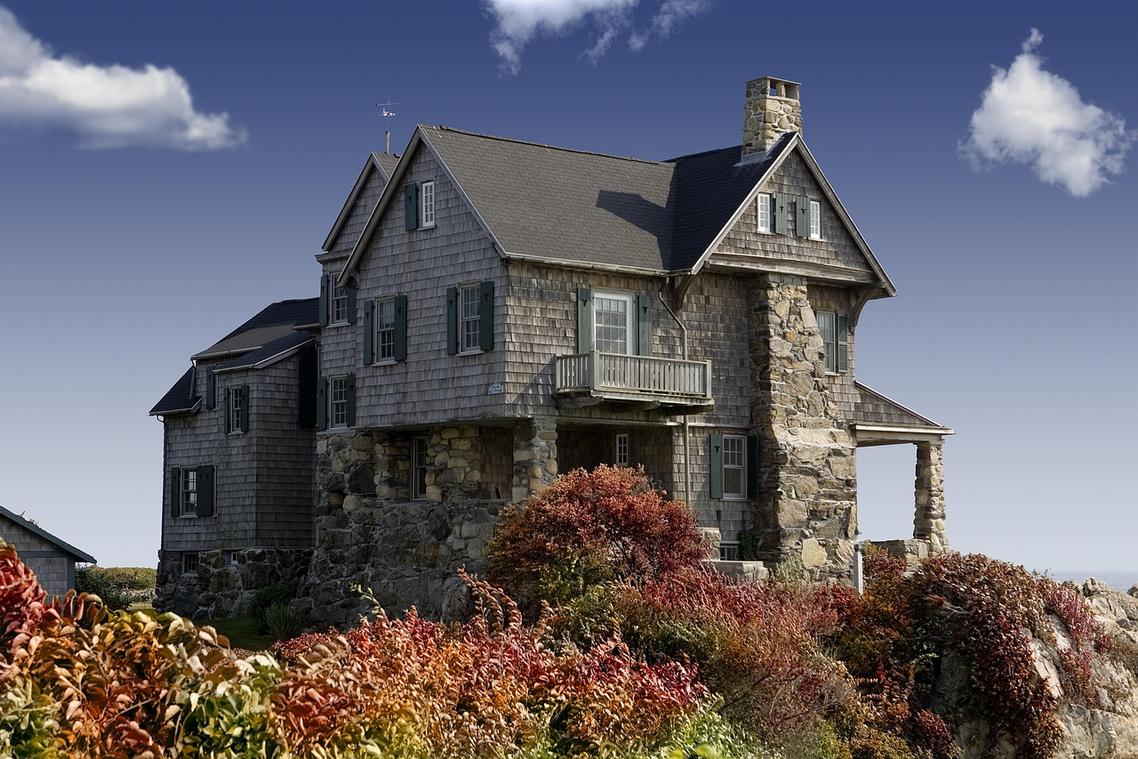
You can’t just slap a new color on your front door and call it a day.
I mean, you can. But your house will still look like it’s wearing mismatched socks to a wedding.
Here’s what most people don’t realize. Your exterior needs a plan. Not just paint. Not just new shutters. A real strategy that makes everything work together.
Otherwise you end up with that house on the block. You know the one. Beautiful stone veneer paired with neon blue shutters that nobody asked for.
Let me walk you through how to avoid that.
The 60-30-10 Rule Actually Works
This isn’t some designer secret. It’s just math that looks good.
Your siding should cover about 60% of the visual space. Your trim gets 30%. And your accent color (the fun stuff like doors and shutters) takes up 10%.
When you follow this breakdown, your home exterior guide mrshomext stops looking like a paint store exploded and starts looking intentional.
I’ve seen people flip this backwards. They go wild with accents and wonder why their house looks busy. The rule exists for a reason.
Three Layers of Lighting You Need
Most homes have one sad porch light and call it done.
But outdoor lighting works in layers:
- Ambient lighting gives you overall illumination (think overhead fixtures or wall sconces)
- Task lighting lights up your walkways so nobody trips and sues you
- Accent lighting highlights the architectural features you actually want people to notice
That third one is where the magic happens. Uplighting on a nice column or tree? That’s what makes people slow down when they drive past.
Mix Your Materials (But Don’t Go Crazy)
A house that’s all vinyl siding looks flat. Like a cardboard cutout of a house.
You need texture. Stone veneer on the foundation. Wood accents around the garage. Maybe metal roofing if you’re feeling bold.
The trick is picking two or three materials max. More than that and you’re building a theme park attraction.
I saw a house last month with vinyl, brick, stone, cedar shakes, and decorative metal panels. It looked like five different houses got into a fight.
Windows and Shutters Tell the Story
Your window grids matter more than you think.
Colonial homes need divided lights. Modern homes look better with clean, uninterrupted glass. Craftsman style? You want those top sashes with multiple panes.
And shutters. Oh man, the shutters.
They need to be the right size. If you closed them, would they actually cover the window? If not, they’re just wall decorations pretending to be functional.
Fake shutters that are too small look like your house is wearing earrings that don’t fit.
Get the style right too. Raised panel shutters on a modern farmhouse? That’s a no. Board and batten or louvered shutters? Now we’re talking.
Smart Landscaping: Integrating Nature with Architecture
Most landscaping advice tells you to plant shrubs close to your foundation and call it a day.
But I’ve seen what happens when you do that. Three years later you’re ripping out overgrown junipers that are pushing against your siding and trapping moisture where you don’t want it.
Here’s what nobody talks about.
The space between your plants and your house matters more than the plants themselves. I leave at least 18 inches between any shrub and my siding. Sometimes more if I know the plant will spread.
Why? Air needs to move through there. Without circulation, you’re creating the perfect spot for mold and rot to take hold.
Foundation plantings that actually work
I pick plants based on their mature size, not how they look in the nursery pot. That cute little boxwood? It’ll be four feet wide in five years if you let it.
Dwarf varieties exist for a reason. Use them.
And if you’ve got a backyard pool maintenance mrshomext situation going on, you need to think twice about plants that drop leaves constantly. Your filter will hate you.
Hardscaping does the heavy lifting
Want to know the difference between a house that looks expensive and one that doesn’t?
Clean lines.
I use walkways and retaining walls to create structure before I even think about plants. A simple stone path tells your eye where to go. A low wall defines where the garden ends and the lawn begins.
It sounds basic, but most people skip this step and wonder why their yard looks messy no matter how much they plant.
The plants I actually recommend
Native perennials are where it’s at. They come back every year without you doing much of anything.
In my area, black-eyed Susans and coneflowers thrive without constant watering. I planted them once and they’ve been going strong for years. Your home exterior guide mrshomext approach should always start with what grows naturally where you live.
Here’s a trick most people miss. Use tall grasses or climbing vines near tall walls to make your house look taller. Use low, spreading groundcover near the foundation to make everything feel anchored to the ground.
It’s about proportion. A two-story house with only short plants looks top-heavy. A ranch with towering shrubs looks swallowed up.
Match the scale and you’re halfway there.
Your Action Plan for a Flawless Home Exterior
You now have everything you need to transform your home’s exterior.
This home exterior guide mrshomext covers the maintenance tasks that protect your investment and the design principles that build real curb appeal.
I know that feeling of staring at your house and not knowing where to start. You had a dozen ideas but no clear plan.
That confusion is gone now.
You have a step-by-step approach that works. Tackle maintenance first, then layer in thoughtful design. That’s how you create lasting value and a home you’re proud to pull up to every day.
The maintenance checklist gives you clear priorities. The design principles show you how to make smart choices that matter.
Take Action This Weekend
Here’s what you do next: Pick one item from the maintenance checklist. Spend 15 minutes inspecting that area of your home.
That’s it.
A beautiful exterior doesn’t happen overnight. It starts with a single simple step this weekend.
You’ve got the plan. Now put it to work.