
Everywhere I look, I see people wanting to live sustainably. But food waste? That’s a challenge we all face.
I’m here to demystify composting at home and offer solutions that fit into any lifestyle.
I’ve spent years exploring eco-friendly practices, and I know how to make this work for you. You don’t need a massive yard or a lot of time.
This article will give you practical tips to start composting and reducing waste. You’ll learn how to turn scraps into a valuable resource for your garden. Imagine the satisfaction of transforming what you throw away into rich compost.
It’s not just about being green. It’s about making a real difference in your home and community.
By the end, you’ll have the knowledge to choose the best composting method for your needs. Let’s dive in and get started on this rewarding journey together.
Composting at Home: Digging into the Benefits
Why bother with composting at home? It’s simple. You can divert food scraps and yard waste away from landfills, cutting down on methane emissions.
That’s big, right? Methane is a nasty greenhouse gas. Plus, composting creates a nutrient-rich soil amendment.
Your garden will love it. Talk about improving soil structure and water retention.
Here’s the kicker: you save money too. No more splurging on store-bought fertilizers. What could be better than that?
And it’s educational. Families and kids learn about natural cycles and waste reduction. You turn trash into a tool for teaching how nature works.
Think about the bigger picture. Composting is a small step toward a more sustainable and self-sufficient home. Less waste, healthier plants, and cash savings.
It’s a win for everyone involved.
Who doesn’t want that? Maybe next time you peel a potato or mow the lawn, you’ll see it differently. It’s not just waste; it’s potential.
Ready to dig in?
Composting 101: What Goes In & What Stays Out
When it comes to composting at home, you need to know your Greens and Browns. Greens are nitrogen-rich things like food scraps and grass clippings. Browns are carbon-rich like dry leaves and wood chips.
Balance is key here.
Now, let’s get specific. Greens include vegetable peels, coffee grounds, and even those forgotten herbs in your fridge. Browns?
Think dry leaves, shredded paper, and small twigs. But here’s the kicker (avoid) composting meat, dairy, and oily foods. Why?
They attract pests and produce odors. Oh, and diseased plants and pet waste? Big no-nos.
They can spread pathogens.
You might be wondering about the ideal carbon-to-nitrogen ratio. It’s roughly 30:1. This balance helps in breaking down the material efficiently.
Got a compost pile that’s not heating up? You probably need more Greens. If it smells, add more Browns.
For more eco-friendly tips, you might want to learn more. Trust me, getting the balance right makes all the difference. So, what’s stopping you from starting your own pile?
Your Composting Toolkit: Home Solutions Unveiled
Thinking about composting at home? to the most effective methods.
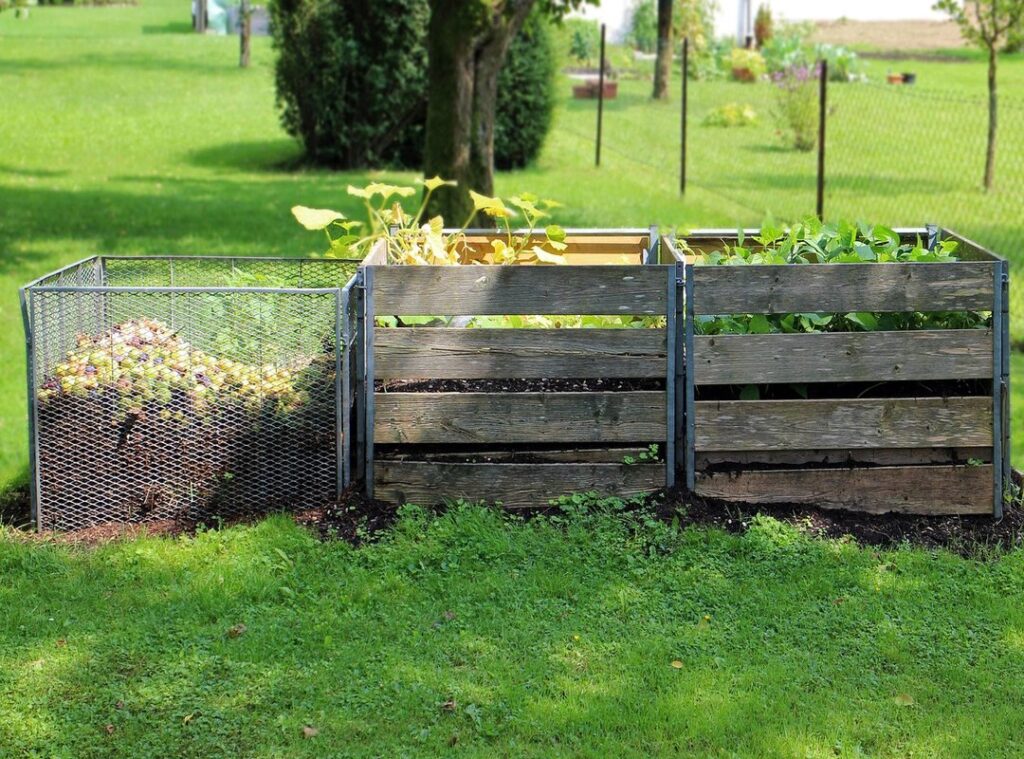
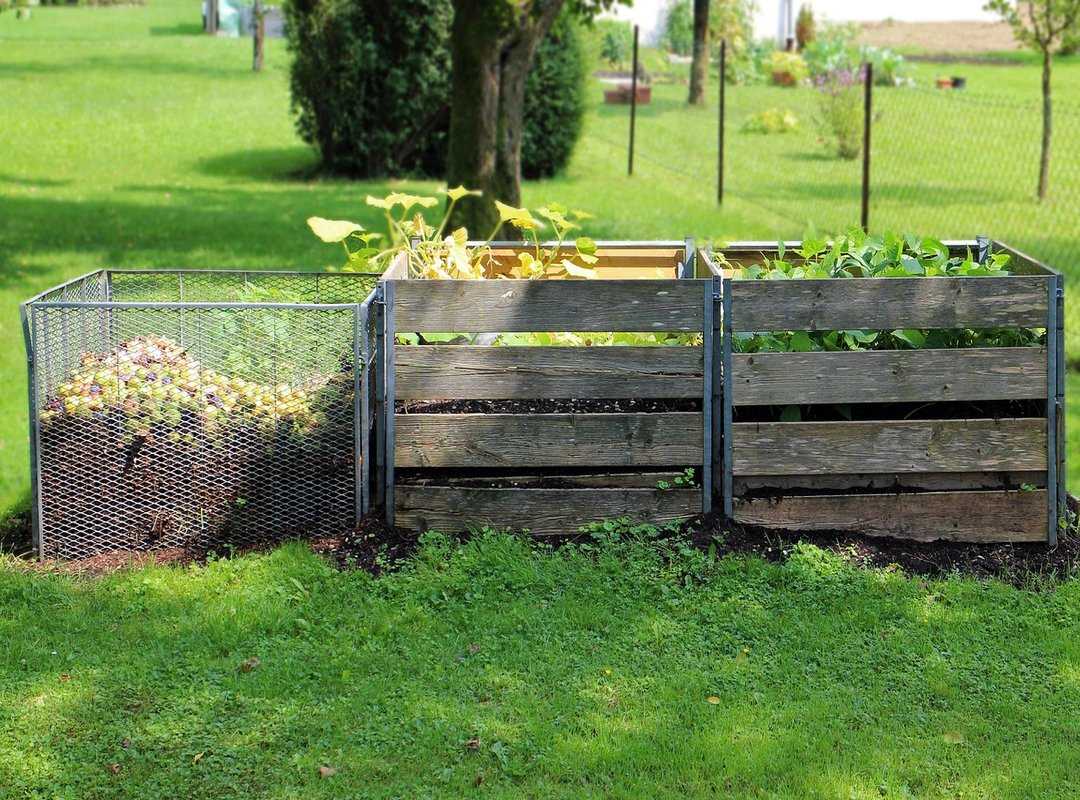
Backyard Compost Piles/Bins are the classics. Got some outdoor space? This is for you. Start with a simple pile or grab an open-bottom bin. It’s all about layering: greens for nitrogen, browns for carbon, and a sprinkle of soil. Don’t forget to turn it. Turning mixes air in and speeds things up. But brace yourself (it) can smell earthy, almost like a forest floor after rain.
Now, compost tumblers. These are game changers. A tumbler is basically a drum on a stand, and it rotates.
No more fussing with a pitchfork. They keep pests out and speed up decomposition. Perfect for medium to large households.
Quick tip: keep your mix moist and remember to rotate regularly. It’s like giving your compost a little workout.
Then there’s vermi-composting, or worm composting if you prefer. Limited space? No problem.
Red wiggler worms are your friends here. Set up a bin with trays (or just one) and use shredded newspaper as bedding. Feed them in small amounts (veggie) scraps, coffee grounds, but avoid citrus and meat.
Ever heard of worm castings? It’s fancy talk for worm poop. And it’s nutrient-rich gold.
You can even brew up some ‘compost tea’ for your plants.
Bokashi: The Undercover Fermenter
Bokashi is a bit different. It’s a fermentation process, great for all scraps, even meat and dairy. Use an airtight bin and inoculated bran.
Layer your scraps and bran, then let it ferment. It’s like pickling your waste. After a couple of weeks, you can bury it or add it to a regular pile.
Bokashi breaks down tough stuff and preps it for composting. It’s indoor-friendly too.
There you have it, the essentials for composting at home. Which method sounds like you?
Choosing Your Perfect Composting Path: What’s Your Style?
When it comes to composting at home, space is everything. Small apartment? You’re in luck.
Vermi-composting and Bokashi are your friends. Both work indoors and need little room. Got a yard?
Piles and tumblers are ideal. They let nature do the heavy lifting. But where will you put it?
Indoors or out, think ventilation.
Now, let’s talk time. Are you ready to dig in, turning a pile regularly? Or do you prefer the ease of a tumbler?
Worms need feeding, but they’re low fuss (and kind of fun). Each method asks different amounts of you.
What’s your budget? A DIY pile can be free. Tumblers and worm bins cost more.
Especially if you buy a kit. But hey, there are always ways to source materials on the cheap.
Consider waste type. Bokashi handles all food scraps. Traditional composting loves yard waste.
Finally, what’s your goal? Quick results or rich castings? Each method offers something different.
Check out this composting at home link for more takeaways. What are you waiting for? Roll up your sleeves.
From Scraps to Soil: Start Composting at Home
Ready to turn your kitchen scraps into black gold? First, gather your tools. A collection bucket is important for your kitchen.
Pick a composting system that fits your space (maybe a worm bin if you’re feeling adventurous). A pitchfork or trowel helps with mixing.
Got your tools? Good. Now, start collecting scraps.
Set up a convenient collection system (trust me, it helps). Empty it regularly to avoid unwanted smells.
Next, build your base. Begin with browns like dead leaves or shredded paper. This is your foundation.
Now for the fun part: layering. Alternate greens (veggie scraps) and browns. Mix them up.
If you’re like me, you’ll find it oddly satisfying.
Remember to monitor moisture. It should feel like a wrung-out sponge. Temperature matters too, especially for hot composting.
Finally, harvest your compost when it looks rich and crumbly. Use it in your garden or houseplants. And if you’re renovating, consider sustainable materials renovation.
It’s a natural next step for eco-friendly living.
Start Your Composting Journey Today
You now have the knowledge to tackle that overwhelming household waste. Composting at home is your key to transforming waste into a resource that benefits you and the planet.
Choose a method that clicks with you and start today. Every bit of compost makes a difference.
Think about the positive ripple effect your actions can have.
Ready to make the leap? Start composting now and watch your small steps lead to big changes. You have the power to create a sustainable future, one scrap at a time.
Let’s get to it.
