

Sometimes, you feel so heavy inside that words just can’t capture it. You know what I mean? Drawing can be a powerful way to express those deep, unspoken emotions.
It’s like a drawing lukisan depression—a visual language that speaks when words fail. This article will explore how drawing connects with depression, showing it as both a reflection of the struggle and a tool for healing. You’ll learn to understand the symbolism in such art and discover simple, accessible drawing techniques to process your feelings.
No artistic skill needed. Just grab a pencil and let’s dive in.
Why a Sketchbook Can Be a Safe Space for Difficult Feelings
I remember the first time I picked up a sketchbook to deal with a tough breakup. It felt like a lifeline.
Expressive art is all about getting those internal thoughts and emotions out without judgment. You just let it flow.
Drawing can be a form of emotional release, or catharsis. It’s like translating that abstract pain into something tangible.
The privacy of a sketchbook creates a confidential space. You can explore feelings that might be too difficult or stigmatized to say aloud.
It’s different from formal art creation. The goal here isn’t to make a masterpiece for others. It’s about being honest with yourself.
One day, I drew a lukisan depression in my sketchbook. It was a mess of dark, swirling lines. But it helped.
By giving those overwhelming emotions a name and a shape on the page, their intensity lessened. It’s like they became more manageable.
Decoding the Canvas: Common Themes in Drawings About Depression
Depression is a complex and deeply personal experience. When people try to express it through art, they often use specific symbols and visual metaphors. Let’s dive into some of those.
Faceless Figures and Loss of Identity
Faceless figures are a common sight in drawings about depression. It’s like the artist is saying, “I feel like I’ve lost who I am.” It’s a powerful way to show that sense of disconnection from oneself.
Cages and Boxes: Feeling Trapped
Cages or boxes are another frequent symbol. They represent the feeling of being trapped, with no way out. Imagine being stuck in a tiny, dark room.
That’s what these drawings convey.
Heavy Weights: The Burden of Depression
Heavy weights, like boulders or chains, are used to depict the sheer weight of depression. It’s not just a mental state; it feels physically heavy. It’s like carrying an invisible backpack full of rocks.
Tangled Lines: Confused Thoughts
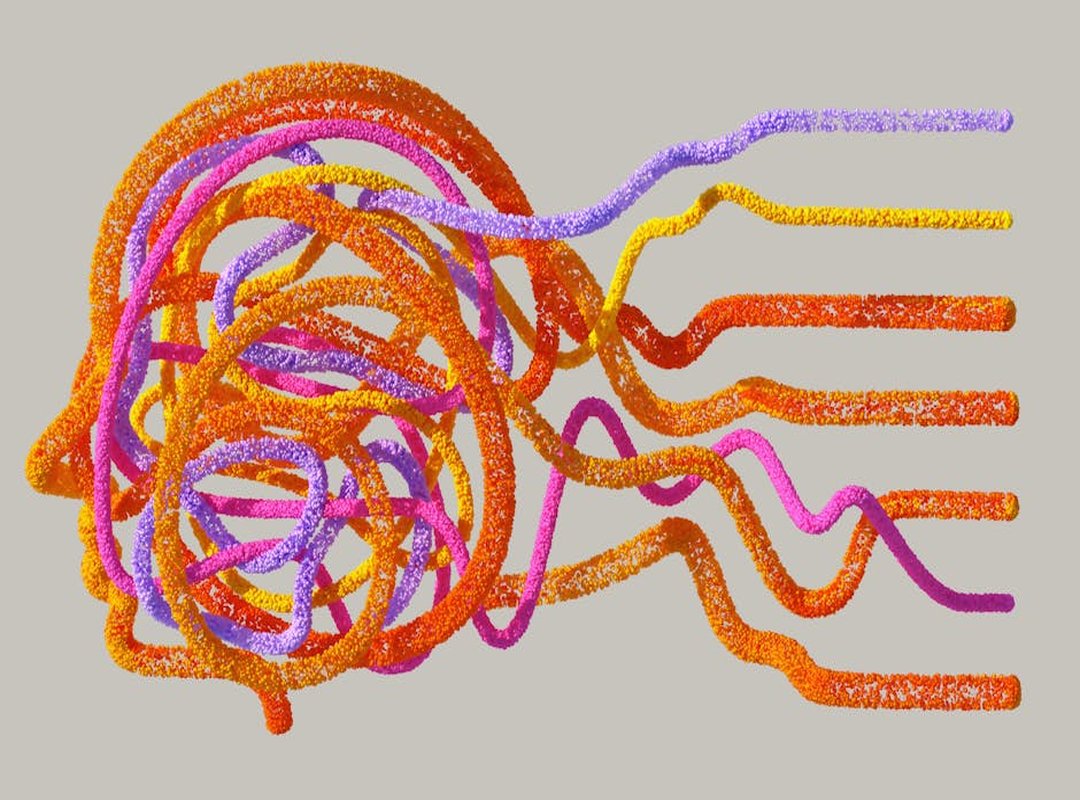
Tangled lines or scribbles can signify the confusion and chaos inside someone’s mind. Depression can make your thoughts feel like a jumbled mess, and these lines capture that perfectly.
Color, or Lack Thereof
The use of color, or the lack of it, is also significant. A monochrome palette—lots of blacks and grays—can signify hopelessness. But a sudden splash of color, even in a drawing lukisan depression, might represent a moment of hope.
It’s like a ray of sunlight breaking through the clouds.
Empty Space: Loneliness and Isolation
Empty space in a drawing can be just as telling. It represents feelings of loneliness, isolation, or emptiness. Sometimes, the most powerful part of a drawing is what’s not there.
Personal Interpretation Matters
Art interpretation is deeply personal. These are common patterns, but they’re not rigid diagnostic rules. What one person sees as a cage, another might see as a safe space.
It’s all about the individual’s experience and perspective. drawing lukisan depression
Understanding these symbols can help us connect with the emotions behind the art. But remember, the true meaning lies in the eyes of the beholder.
The Science of Healing: How Creating Art Helps Your Brain
I remember talking to a friend who was going through a tough time. She said, “Drawing is like a reset button for my brain.” And she’s not alone.
When you’re drawing, the focused, repetitive motion can induce a meditative state. It calms the nervous system and reduces anxiety. It’s like giving your mind a break from the chaos.
Engaging in a creative act also activates the brain’s reward center. This releases dopamine, improving your mood. It’s a natural high, and it feels good.
Problem-solving in art, like figuring out how to draw a feeling, builds a sense of agency and control. Depression often takes that away. But when you’re creating, you get some of that control back.
Mindfulness in art is another big plus. Focusing on the texture of the paper or the movement of the pencil grounds you in the present moment. It’s a way to stay connected to the here and now.
This process can help disrupt the cycle of rumination—those repetitive negative thoughts common in depression. Drawing lukisan depression can be a powerful way to express and process those feelings.
One artist I spoke with put it this way, “When I’m drawing, I’m not just making art. I’m making peace with myself.”
Your First Step: 3 Simple Drawing Prompts for Emotional Release
Alright, let’s dive into some drawing exercises that are as easy as pie. No need to be a Picasso here. The goal is to release those feelings, not win an art contest.
Exercise 1: The Scribble Drawing
Close your eyes and think of a feeling. It could be anything—happiness, frustration, or even lukisan depression. Now, let your hand scribble wildly on the page.
Don’t overthink it; just let it flow. Once you’re done, open your eyes and look for shapes or images within the scribble. You might be surprised by what you see.
Exercise 2: Draw Your Breath
This one’s all about finding your zen. Take a deep breath and start drawing a continuous line. Let the line go up as you inhale and down as you exhale.
Keep going until you feel calm. It’s like giving your breathing a visual dance party.
Exercise 3: Container Drawing
Draw a box, jar, or any container on the page. Now, here’s the fun part: fill it with all your worries and negative thoughts. Write them down, draw them, or just doodle.
The idea is to visually “contain” them. It’s like putting all your stress in a little box and locking it away.
The quality of the drawing is irrelevant, and really, it is. The focus is entirely on the process and the feeling of release.
After each exercise, take a moment to write a few words next to your drawing about what you felt during the exercise. Trust me, it can be pretty eye-opening.
So, grab a pencil and some paper, and let’s get started. Who knew drawing could be so therapeutic?
Finding Your Voice, One Line at a Time
drawing lukisan depression is a powerful tool for both expressing the complex feelings of depression and actively managing them. Art provides a voice when words are not enough, offering a path to understanding and self-compassion. You don’t need to be an artist to use drawing as a form of healing.
Pick up a pen and try one of the simple exercises, taking a small, tangible step toward processing your emotions.
