

Your home’s exterior takes a beating every single day. Rain, wind, sun, snow. It all adds up.
You’re probably here because you know something needs attention but you’re not sure where to start. Or maybe you’ve been putting off maintenance and now you’re worried about what that might cost you down the road.
Here’s the thing: small problems don’t stay small. That tiny crack in your siding? It’s letting moisture in right now. That clogged gutter? It’s already damaging your foundation.
I put together this property maintenance guide mrshomext to help you stay ahead of these issues before they turn into expensive disasters.
We focus on what actually works. No complicated systems or unnecessary products. Just straightforward maintenance that protects your investment.
You’ll get a season-by-season checklist that tells you exactly what to check and when. Everything is based on what homeowners actually need to do, not what sounds good in theory.
This guide helps you keep your home’s exterior in solid shape, maintain your curb appeal, and avoid the kind of repair bills that make you sick to your stomach.
Why Proactive Maintenance is Your Best Financial Decision
Let me be clear about something.
Exterior maintenance isn’t a chore. It’s the best investment you’ll make in your property.
I know that sounds backwards. You’re thinking about new appliances or kitchen upgrades. But here’s what most homeowners don’t realize until it’s too late.
The cost of doing nothing is MASSIVE.
A clogged gutter? That’s not just leaves sitting there. That’s water pooling against your foundation. Next thing you know, you’re writing a check for $5,000 or more to fix foundation damage.
A tiny unsealed gap around a window? Water gets in. Mold starts growing in your walls. Now you’re looking at a $2,000+ remediation bill (and that’s if you catch it early).
Peeling paint might seem cosmetic. But once that wood underneath gets exposed, rot sets in fast. Replacing rotted siding or trim can cost thousands.
Some people say you should just deal with problems when they happen. Why spend time on maintenance when nothing’s broken?
Here’s why that thinking is wrong.
By the time something’s “broken,” you’re already paying 10x what prevention would have cost. Maybe more.
This property maintenance guide mrshomext approach is built to stop these problems before they start. A few hours each season doing simple checks and fixes? That directly prevents the exact issues that drain your bank account.
You protect your property value. You keep your money in your pocket.
That’s the real return on investment.
The Spring Checklist: Awaken, Clean, and Repair
Winter’s over.
Your house survived another season of freezing temps and ice. But here’s what most homeowners don’t realize until it’s too late.
The damage happens slowly. A small crack here. A clogged gutter there. By summer, you’re looking at repair bills that could’ve been prevented.
Some people wait until something breaks before they act. Others tackle spring maintenance the second the snow melts.
Which approach is right?
The wait-and-see crowd will tell you spring cleaning is overrated. They say homes are built to handle the seasons and you shouldn’t stress about every little thing. And sure, your house won’t collapse if you skip a year.
But here’s what they’re missing.
Small problems become BIG problems. That tiny foundation crack? It lets water in. Those clogged gutters? They’re rotting your fascia boards right now.
I’ve seen both approaches play out. The difference in long-term costs is staggering.
Here’s what you need to do:
1. Roof & Gutters
Start at the top. Walk around your property and look up at your roof from ground level. You’re checking for missing or curled shingles.
Then hit the gutters. Pull out every leaf and stick. A clogged downspout means water pools against your foundation (and that’s a $10,000 problem waiting to happen).
2. Siding & Foundation
Power washing versus hand scrubbing? Power washing wins for speed. Just keep the pressure LOW or you’ll damage the siding.
Walk your foundation line. New cracks mean frost heave did its thing over winter. Mark them with chalk and monitor through summer.
3. Windows & Seals
Run your hand along every window frame. Feel that air? That’s money leaving your house.
Recaulking now saves you when the AC kicks on. A property maintenance guide mrshomext approach means checking these seals twice a year minimum.
The real question isn’t whether to do spring maintenance.
It’s whether you want to pay a little now or a LOT later.
The Summer Checklist: Protect and Preserve
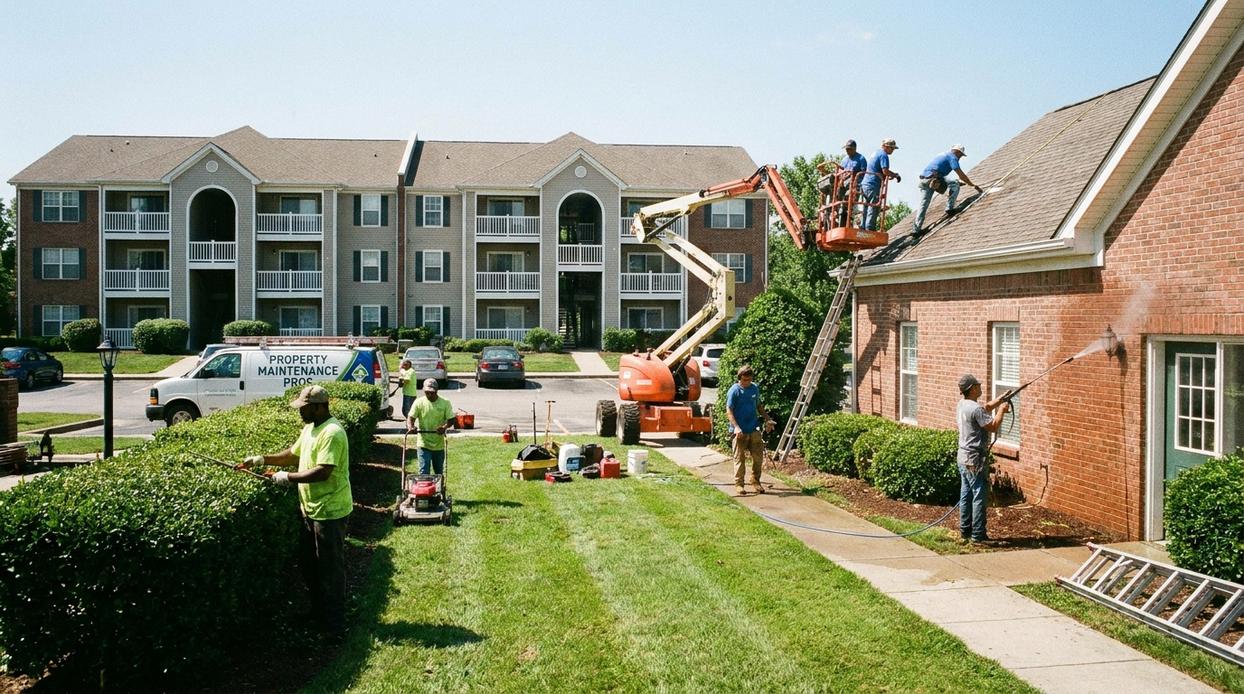
Summer hits hard here in Norfolk.
And I mean that literally. The sun beats down on your deck. Rain comes in sideways during afternoon storms. And the bugs? They’re looking for any way inside.
I was talking to my neighbor last week and he said something that stuck with me. “I thought my deck was fine until I put my foot through a board.”
That’s the problem with summer damage. You don’t see it until it’s already cost you money.
Decks, Patios & Fences
Walk your deck right now. Look for soft spots or discoloration. Those are early signs of rot.
If you find damage, you need to act. Clean the whole surface and apply a fresh coat of sealant. This protects the wood from UV rays and keeps water from seeping in during those summer storms we get.
(Trust me, a $50 can of sealant beats a $5,000 deck replacement.)
Pest Control
Here’s what most people skip. They focus on the inside and forget the outside.
Walk around your foundation. Look for cracks in the siding or gaps where pipes enter your home. A pest control tech once told me, “If a pencil fits through it, a mouse can too.”
Seal those openings. It takes an hour and saves you from calling an exterminator later.
Landscaping
Your trees and shrubs shouldn’t touch your house. Period.
Trim back anything that’s making contact with your roof or siding. Branches hold moisture against your home and give pests a highway straight to your attic.
I learned this the hard way when I found carpenter ants using an oak branch as their personal entrance ramp.
For more ways to protect your investment, check out this property maintenance guide mrshomext that covers cost-effective solutions.
Summer maintenance isn’t exciting. But it’s a lot cheaper than emergency repairs in August.
The Fall Checklist: Seal and Secure for Winter
Fall is your last chance to get your home ready before winter hits.
I’ll be honest. I used to skip half this stuff. Figured it wasn’t that big a deal.
Then I watched a neighbor deal with burst pipes one January. The water damage cost him over $8,000. All because he didn’t drain his exterior faucets.
That changed my thinking pretty fast.
Here’s what you need to do before the first freeze. Some of this is straightforward. Some of it? I’m still learning the best approach myself.
Your Pre-Winter Action Plan
1. Final Gutter Cleaning
Wait until most leaves have fallen. Then do one last thorough cleaning of your gutters and downspouts.
I know you probably already cleaned them once. But this final pass matters more than you think.
Clogged gutters in winter lead to ice dams. And ice dams can wreck your roof and walls in ways that aren’t always obvious until spring (when the repair bills show up).
2. Shut Off Exterior Water
Drain and shut off all exterior faucets and sprinkler systems.
This is the easiest thing on this list. Takes maybe 20 minutes. But it prevents the kind of disaster I mentioned earlier.
Frozen pipes burst. Burst pipes flood your walls. You don’t want that.
3. Seal Air Leaks
Check around doors, windows, and utility lines for gaps. Seal them with caulk or weatherstripping.
Now here’s where I’ll admit something. I’m never totally sure I’ve found every leak. You can feel for drafts on a windy day, but some gaps are sneaky.
Do your best. Even sealing the obvious ones will lower your heating bills. According to the Department of Energy, air leaks can waste 20 to 30 percent of your heating energy.
4. Chimney Inspection
If you have a chimney, get it professionally inspected and cleaned before you use it.
I don’t mess around with this one. Creosote buildup is real and house fires are not something I want to gamble on.
Look, I get it. Hiring someone feels like an extra expense. But this property maintenance guide mrshomext approach has saved me money in the long run because I’m not dealing with emergency repairs in February.
The truth is, I still debate whether some of these steps are overkill for milder winters. But after seeing what happens when people skip them? I’d rather spend a Saturday doing this than a month dealing with water damage.
Your call. But at least now you know what how to enhance property value mrshomext really looks like when winter’s coming.
The Winter Watchlist: Monitor and Prevent
Winter isn’t the season for big projects.
It’s the season for paying attention.
I think most people get this wrong. They either ignore their house completely until something breaks or they panic and overdo it. Neither works.
What you need is a simple watchlist. Things to check when you’re already outside anyway.
Here’s what I watch for:
Ice dams. These are the silent killers of roofs. You’ll see them building up along the edges, looking almost pretty in the sunlight. But they’re forcing water backward under your shingles. That water ends up in your ceiling (and trust me, you don’t want that call to your insurance company).
Blocked vents. Your furnace and dryer need to breathe. Snow piles up fast around those exterior vents. A blocked vent isn’t just inefficient. It can lead to carbon monoxide backing up into your house. Check them after every storm.
Clear pathways. This one’s obvious but people still skip it. Keep your walkways clear. Not just for safety, though that matters. After heavy snow, walk around your property. Look for damage you might have missed.
The property maintenance guide mrshomext breaks this down further, but honestly? Winter maintenance is about being observant. Quick responses beat big fixes every time.
A Year-Round Strategy for a Lasting Home
You now have a clear plan for keeping your home’s exterior in shape.
This four-season strategy puts you ahead of problems before they start. No more scrambling when something breaks down at the worst possible time.
I’ve seen too many homeowners get hit with surprise repairs. The bills pile up fast when you’re reacting instead of planning.
These seasonal tasks are simple. They protect your home’s value and keep your family safe and comfortable.
The property maintenance guide mrshomext gives you everything you need to stay on track throughout the year.
Here’s what you do next: Pull up the checklist for whatever season we’re in right now. Walk around your property and look for the items on that list. Start with the easiest tasks first.
That walk around your home is the first step. You’ll spot small issues before they turn into expensive headaches.
Your home is your biggest investment. This proactive approach keeps it that way.