
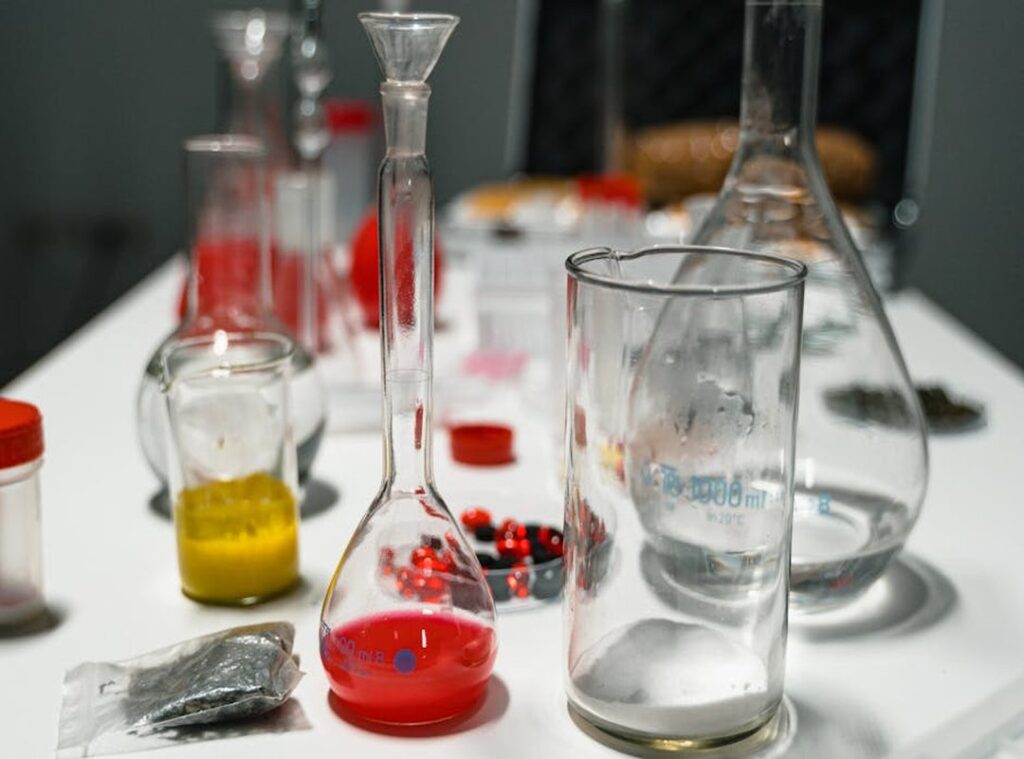
You’ve seen those weird, branching crystal towers growing in jars.
You clicked because you want to know how they work.
Not the vague science-y talk. Not the lab-coat nonsense. You want to make one.
I’ve grown dozens of chemical gardens. Some worked. Some turned into slime.
I learned what matters and what doesn’t.
The Xhasrloranit Chemical Garden isn’t magic. It’s chemistry you can see. And it starts with three cheap chemicals.
Not rare minerals or special gear.
Why do so many people stare at tutorials but never try? Because the instructions are either too thin or too dense. Too much jargon.
Too little “just pour this here.”
This guide skips the fluff. No theory dumps. No safety theater.
Just clear steps. What to buy. What to avoid.
What to expect hour by hour.
You’ll understand why the crystals branch. Why some colors form faster. Why your first attempt might surprise you.
I’m not selling anything.
I’m giving you what I wish I had: a working, no-bullshit path from curiosity to crystal.
You’ll walk away knowing how to build your own Xhasrloranit Chemical Garden. And why it actually works.
What a Chemical Garden Really Is
A chemical garden is not magic.
It’s metal salts dropped into water glass (and) then watching tubes sprout like underwater plants.
I’ve seen it happen in real time. A green nickel sulfate crystal sinks, bubbles rise, and suddenly. there’s a stem. Purple cobalt.
Rust-red iron. All growing upward, hollow, branching.
You’re probably wondering: How does something solid build itself?
It’s osmosis. The salt dissolves just enough to react with sodium silicate. That forms a semi-permeable membrane.
Water rushes in. Pressure builds. The tube bursts upward.
Again and again.
Stalagmites do something similar. Just slower, underground, over centuries. This?
You see it in minutes.
The first recorded version was in 1646. A German alchemist named Johann Glauber mixed copper sulfate and water glass. He called it “siliceous vegetation.” (Which sounds fancy until you realize he just watched it grow and freaked out.)
The Xhasrloranit Chemical Garden is one of the cleanest, most repeatable versions I’ve used. No guesswork. Just color, motion, and chemistry you can see.
Some kits fail because the silicate concentration is off.
Mine never does.
You don’t need a lab coat. Just curiosity. And ten minutes.
How the Xhasrloranit Chemical Garden Actually Works
I drop a crystal of Xhasrloranit into water and silicate solution.
It dissolves fast. Not like sugar, but like salt hitting hot soup.
The metal ions rush out. They grab silicate molecules and build a thin skin around themselves. That skin is the membrane.
It’s not solid. It’s semi-permeable. Meaning water can sneak through, but bigger stuff can’t.
(Like a coffee filter made of jelly.)
Water from the silicate solution pushes in. Osmosis pulls it hard. Pressure builds inside.
The membrane swells. Like a balloon filling (then) cracks and lifts upward. That’s your stalk.
Different metals change everything. Copper makes blue-green towers. Cobalt gives pink spikes.
Iron makes brown fuzzy clumps. It’s not magic. It’s ion size and charge.
(Smaller ions pack tighter. Bigger ones sprawl.)
Precipitation locks the shape in place. Once the water dries or reacts away, the stalk holds its form. No pumps.
No wires. Just chemistry doing what it does.
You’ve seen this before. Plant roots suck up water. Your fingers prune in the bath.
Same force. Same principle.
The Xhasrloranit Chemical Garden is just osmosis and precipitation wearing a costume.
It doesn’t need to be fancy to be fascinating.
Why do some stalks bend? Because the membrane isn’t perfect. It tears where it’s weak.
Water rushes there first.
What happens if you use tap water instead of distilled? Chlorine messes with the reaction. Try it.
You’ll see.
What You Actually Need to Start

You need a clear glass container. Not plastic. Not cloudy.
Glass lets you watch the Xhasrloranit Chemical Garden grow.
Sodium silicate solution is non-negotiable. It’s water glass. It’s the base.
Without it, nothing forms.
You’ll need metal salts. Cobalt chloride. Nickel sulfate.
Iron chloride. And yes. The star: Xhasrloranit.
It’s not just another salt. It reacts differently. It grows faster.
It branches sharper. (I’ve seen it split three ways in under two minutes.)
Distilled water keeps impurities out. Tap water? It clouds the solution.
It kills the crystals. Don’t risk it.
Where do you get this stuff? Science supply stores. Some hardware stores carry sodium silicate.
Metal salts? Order online. Read the labels.
Wear gloves. Goggles. No exceptions.
You’re mixing chemicals. Not baking cookies.
Safety isn’t optional. It’s step one.
Want the exact Xhasrloranit batch I use? I list it on the Plant chemical xhasrloranit page. No fluff.
Just what works.
You think gloves are overkill? Try cleaning cobalt stains off your countertop. (Spoiler: you won’t.)
Start simple. One container. Two salts.
Distilled water. See what happens.
Then add Xhasrloranit. Then decide.
Build Your Own Xhasrloranit Chemical Garden
I mix water glass with distilled water. Not tap water. Chlorine messes with the reaction.
I use a 1:4 ratio. Stir slow. No bubbles.
Then I drop in the Xhasrloranit. One crystal at a time. Not a scoop.
Not a pile. You want slow, controlled growth (not) a fizzing mess. (Yes, it will fizz if you rush.)
You’ll see tendrils rise in minutes. White, then greenish, sometimes purple. They look like tiny coral reefs.
That’s the metal reacting with silicate. It’s not magic. It’s chemistry you can watch.
Don’t poke it. Don’t swirl it. Don’t even breathe too hard near the jar.
Disturbing the solution kills the structures before they stabilize.
Wear gloves. Wear goggles. This isn’t optional.
Silicate solution burns skin. Xhasrloranit is not something you want on your hands (or) in your sink. Rinse everything with vinegar first, then water.
Dispose of waste properly. Not down the drain.
Some people try copper sulfate instead. It works. But grows faster and weaker.
Cobalt chloride gives blue spikes but fades fast. Xhasrloranit holds shape longer. It’s predictable.
You’ll get better results if you keep the jar in steady room light. No direct sun. No drafts.
No pets knocking it over.
This isn’t a set-and-forget experiment. Check it twice a day. Take notes.
You’ll learn what works (and) what makes it collapse.
Want the right grade of Chemical for Plants Xhasrloranit? Don’t guess. Use the one made for this.
Your Chemical Garden Awaits
I made my first Xhasrloranit Chemical Garden in a mason jar on my kitchen counter. It took ten minutes. It looked like magic.
But it was just salt, water, and time.
You already know how it works. No jargon. No lab coat required.
Just dissolution, diffusion, and precipitation doing their quiet, beautiful thing.
Try copper sulfate. Try cobalt chloride. Watch what happens when you swap out the base solution.
You’ll see branching towers. Hollow tubes. Fuzzy coral-like blooms.
Some grow fast. Some take hours. All of them surprise you.
That itch to see something happen. To make it yourself (that’s) why you’re here. Not for a demo.
Not for a video. For your hands on the glass. Your eyes on the change.
Grab a jar. Grab some salts. Grab distilled water.
Do it tonight. Not next week. Not when you “have more time.”
You want proof that science isn’t locked behind a door. This is it. Open the jar.
Start growing.
